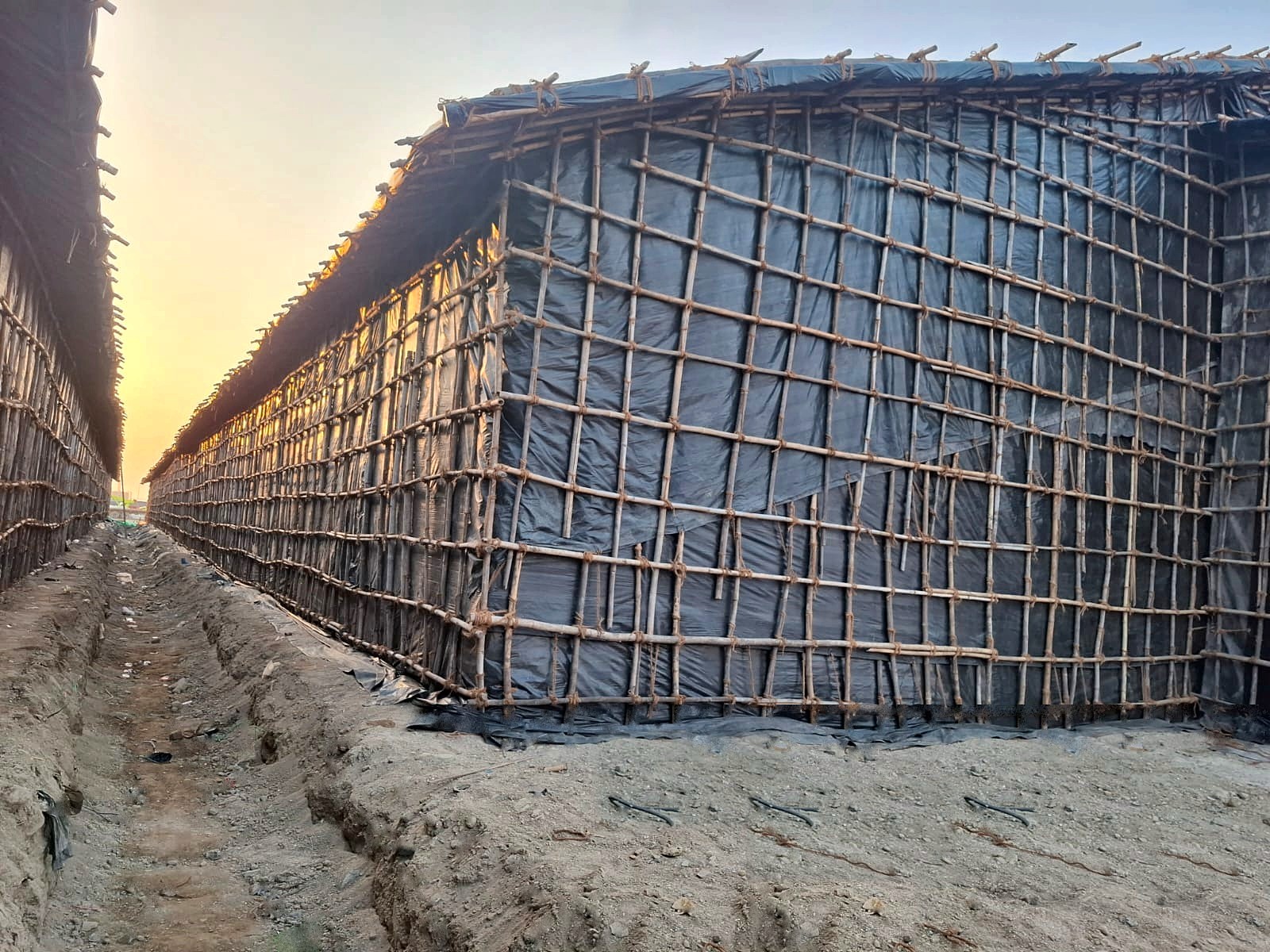
A temporary shed stays waterproof through the monsoon when 4 parts work together: the roof covering, the joints and seams, the side coverings and the drainage around the base. This guide explains what “waterproof” means for a temporary shed, how it handles heavy and wind-driven rain, and how base level and site drainage keep surface water flowing away. It also covers how ventilation keeps the inside dry, which monsoon maintenance checks matter most, and how to choose the right monsoon shed for your site.
What Does “Waterproof” Mean For A Temporary Shed During Monsoon?
A temporary shed’s monsoon performance is not determined by its cover alone. Water can enter through poorly finished edges, open sides, joints, roof connections, or the ground around the structure. The first step is therefore to understand what level of rain protection a temporary shed is designed to provide.
Waterproofing Vs Weather Resistance In Temporary Sheds
For a temporary shed, waterproofing means the covering and structure are configured to prevent normal rainwater from reaching the protected area. Weather resistance goes further by considering wind, prolonged exposure, runoff, and changing site conditions. A shed may have a water-resistant covering but still experience leakage if water collects on the roof or enters through poorly sealed connections.
How Rainfall Intensity And Exposure Affect Performance
A shed exposed to light seasonal showers faces different conditions from one exposed to prolonged, wind-driven monsoon rain. Heavy rainfall increases the volume of water moving across the roof and around its edges, while strong winds can drive rain through exposed openings. Local rainfall patterns, surrounding obstructions, roof configuration, and site drainage therefore influence actual performance.
Which Parts Of A Temporary Shed Control Water Ingress?
A temporary shed can have a water-resistant covering and still develop leaks if water is not directed away from the structure. During monsoon, protection depends on how the roof, connections, side coverings, and ground interface manage the path water takes from the top of the shed to the surrounding site.
The main water-entry points to assess are:
- Roof Covering and Rainwater Runoff: The covering should allow rainwater to flow towards the designated edges instead of collecting on the roof. Adequate roof slope, correctly tensioned coverings, and unobstructed runoff paths help prevent standing water from stressing the covering or finding weak points.
- Joints, Seams, Fasteners and Overlaps: Water can pass through poorly aligned overlaps, loose seams, or gaps around fasteners, particularly when rain is accompanied by wind. Overlaps need to face the direction of runoff, connections should remain secure, and damaged or loosened points need inspection during prolonged monsoon exposure.
- Side Coverings, Edges and Openings: Wind-driven rain can enter horizontally through open sides or gaps between the covering and frame. Side sheets or tarpaulins should be fixed securely along the edges, while openings should be positioned and protected according to the required level of rain exposure.
- Base, Floor Level and Ground Contact: Roof protection does not stop water that reaches the ground around the shed. If the surrounding surface slopes towards the shed, runoff can collect along the edges and enter beneath the covering. A suitable floor level, site slope, and drainage path help move surface water away from the shed instead.
How Does A Temporary Shed Handle Heavy Monsoon Rain?
Heavy monsoon rain tests a shed's ability to discharge large volumes of water without allowing it to collect on the roof or around the base. Strong winds also increase exposure at open sides and roof edges.
- Roof Runoff: Ensure rainwater flows towards designated discharge points without collecting on the covering.
- Wind-Driven Rain: Secure exposed edges and side coverings to reduce rain entry through gaps.
- Surface Water: Direct discharged rainwater away from the shed to prevent pooling near its base.
Does The Shed Base And Site Drainage Affect Waterproof Performance?
Yes. A well-covered shed can still face water ingress if rainwater collects beneath or around its lower edges. The base and surrounding site must keep surface water moving away from the structure, particularly during periods of intense monsoon rainfall.
Raised And Properly Prepared Ground
The shed should sit on a firm, level and suitably prepared surface rather than directly on soft or waterlogged ground. Raising the floor or base above surrounding ground level creates a physical separation from surface runoff and reduces the chance of water entering beneath the lower edges.
Site Slope And Perimeter Drainage
The ground around the shed should direct rainwater away instead of allowing it to flow towards the structure. Where natural drainage is inadequate, suitable perimeter drainage or channels can carry runoff away before it accumulates along the shed's base.
Preventing Splashback And Ground-Level Water Entry
Heavy rain striking saturated ground can splash muddy water against lower coverings and edges. Keeping the surrounding surface drained and maintaining sufficient clearance between the ground and lower covering helps reduce splashback, seepage, and prolonged contact with standing water.
| Planning A Monsoon Shed For Your Site? Get The Right Setup. Contact Us |
Can A Temporary Shed Become Damp Even When Rain Does Not Enter?
Yes. A shed can remain free of rainwater leaks and still develop internal moisture during monsoon. Wet ground, humid outside air, and damp materials can raise moisture levels inside the covered space, particularly when the shed is enclosed and air movement is limited.
Condensation Inside The Shed
Condensation forms when moisture-laden air touches a surface that is cooler than the surrounding air. In a temporary shed, this can occur beneath metal sheets or other cooler roof surfaces, causing droplets to form and fall onto stored goods. The risk increases when warm, humid air enters during the day, and the roof surface cools later.
Ventilation And Air Circulation
Ventilation controls moisture by allowing humid air to leave instead of remaining trapped inside the shed. For a monsoon shed, openings should support cross-airflow while remaining positioned to limit direct exposure to wind-driven rain. The required arrangement will vary with shed size, enclosure level, stored material, and site exposure.
Protecting Stored Materials From Internal Moisture
Storage practices matter when the contents are sensitive to moisture. Keep cartons, machinery, metal components, and other moisture-sensitive goods above the floor, maintain clearance from the side coverings, and avoid storing wet materials inside an enclosed shed. This prevents ground moisture and trapped humidity from transferring directly to the stored items.
How Should A Temporary Shed Be Maintained During Monsoon?
Even a properly installed temporary shed can experience changes after repeated exposure to rain and strong winds. Coverings can loosen, runoff routes can become obstructed, and small gaps can develop at connections. Regular monsoon checks help identify these changes while the shed is still providing the required protection.
Checking Roofs, Covers, Seams And Fasteners
The roof and covering should be checked for sagging, tears, stretched areas, and signs of water collecting on the surface. Seams, overlaps, and fasteners also need attention because repeated wind movement can loosen them over time. These checks are particularly important after periods of heavy rain and wind.
Clearing Water Paths And Drainage Areas
Rainwater needs an unobstructed route away from the shed throughout the monsoon. Leaves, soil, and debris can block drainage paths and cause water to collect near the base. Checking the surrounding ground after heavy rain helps identify new pooling points or runoff that is moving back towards the structure.
Inspecting For Damage After Heavy Rain And Wind
A post-storm inspection should cover the roof, frame, coverings, connections, and lower edges rather than focusing only on visible leaks. Look for displaced coverings, loosened components, new gaps, or changes in alignment. Addressing these issues early helps prevent repeated rain exposure from turning minor damage into a larger problem.
How Can You Choose A Temporary Shed For Reliable Monsoon Performance?
The right shed depends on the site, the materials being protected, and the duration of use. Check these factors before finalising the structure:
- Assess Site Conditions: Check ground stability, natural slope, drainage, and exposure to wind-driven rain. Arrange ground preparation where waterlogging is likely.
- Match the Shed to Its Use: Consider the covering, enclosure, dimensions, and expected exposure period according to the materials or activities being protected.
- Confirm Installation Requirements: Clarify how the covering will be secured, how roof runoff will be directed away, and whether the site needs ground preparation or additional drainage.
Plan Your Monsoon Shed With Shivji Valji
A temporary shed needs to do more than cover a site from above during monsoon. Roof runoff, covering selection, ground conditions, drainage, and installation all affect how well the structure protects the intended area. Shivji Valji provides different shed options along with supply, rental, erection, and dismantling services to suit varied site and project requirements.
What Shivji Valji can help with:
- Shed options for different exposure levels: Tarpaulin, monsoon, hybrid, dome, German hanger, MS steel, GI sheet, and pre-engineered building sheds are available for different project requirements.
- Site-appropriate selection: Shed requirements can be assessed according to the covered area, intended use, site conditions, duration, and expected weather exposure.
- Supply and rental options: Choose between purchasing a shed structure or using a rental arrangement where the requirement is temporary.
- Installation support: Erection services help put the selected shed structure in place according to the project requirements, with dismantling support where applicable.
- 100+ years of experience: Shivji Valji brings more than a century of experience in shed supply and erection across varied project requirements.
- Pan-India service: Shed projects are undertaken across India for construction, industrial, storage, commercial, seasonal, and other applications, subject to site and project requirements.
| Planning a shed for the monsoon? Discuss your requirement now |
FAQs
1. Can a temporary shed withstand continuous rain for several days?
A properly selected and installed temporary shed can provide protection during prolonged rainfall. Performance depends on roof runoff, covering condition, secure connections, site drainage, and wind exposure. Continuous rain requires regular checks to prevent pooling, loosened coverings, and blocked drainage.
2. Will rainwater enter a temporary shed if the surrounding ground gets flooded?
Yes, flooding around the shed can cause water to enter through lower edges, openings, or the floor area, even when the roof remains leak-free. Ground preparation, adequate floor elevation, effective drainage, and sufficient clearance from surrounding water levels help reduce this risk.
3. How can I prevent water from collecting on the roof of a temporary shed during monsoon?
Roof water should have a clear path towards the edges and away from the structure. Correct roof slope, properly tensioned coverings, and unobstructed runoff paths help prevent standing water. Regularly inspect the roof for sagging, loose sections, or debris that could restrict drainage.
4. Can a temporary shed protect machinery and stored materials from monsoon moisture?
Yes, provided the shed is selected and installed according to the exposure and materials being protected. Rainwater protection should be combined with suitable ventilation, raised storage, and clearance from coverings to reduce condensation, ground moisture, and humidity affecting machinery or stored goods.