Industrial Factory Shed: Definition, Types, Industry List
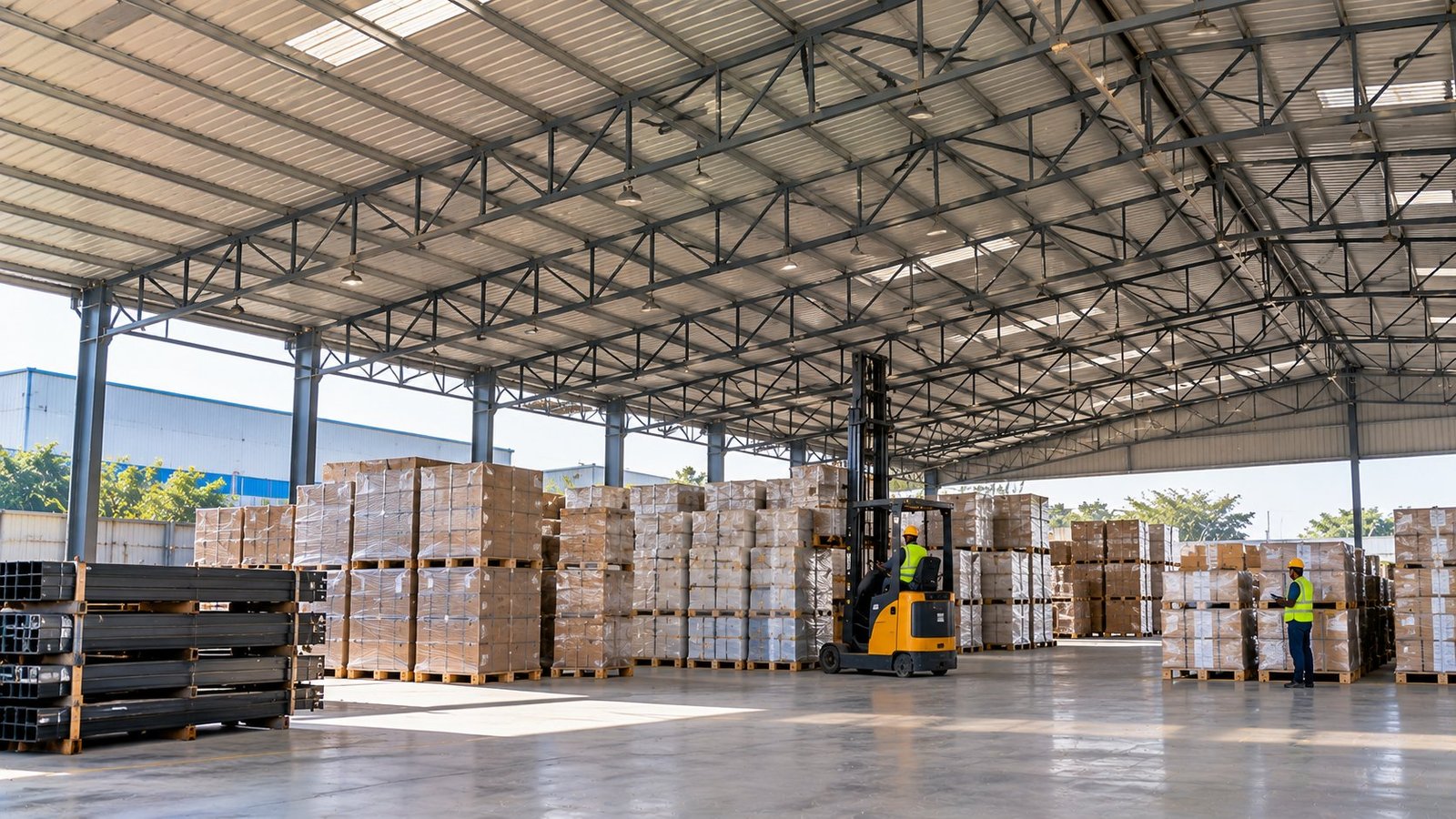
An industrial factory shed is a steel-framed, column-free structure for manufacturing, storage and processing, and it goes up faster than an RCC building.
FREE Consultation: Contact Us or Call at 9930924189
This guide explains how an industrial shed differs from a factory shed, the 5 main parts of a shed, and the permanent and temporary industrial shed types: PEB, MS steel, GI, tin, tarpaulin, PVC and hybrid. You'll also see the advantages, how 29 industries across 8 sectors use sheds, and what decides cost, erection time and approvals. Shivji Valji Sheds Pvt. Ltd. has supplied and erected industrial factory sheds across India since 1910, on hire or for purchase.
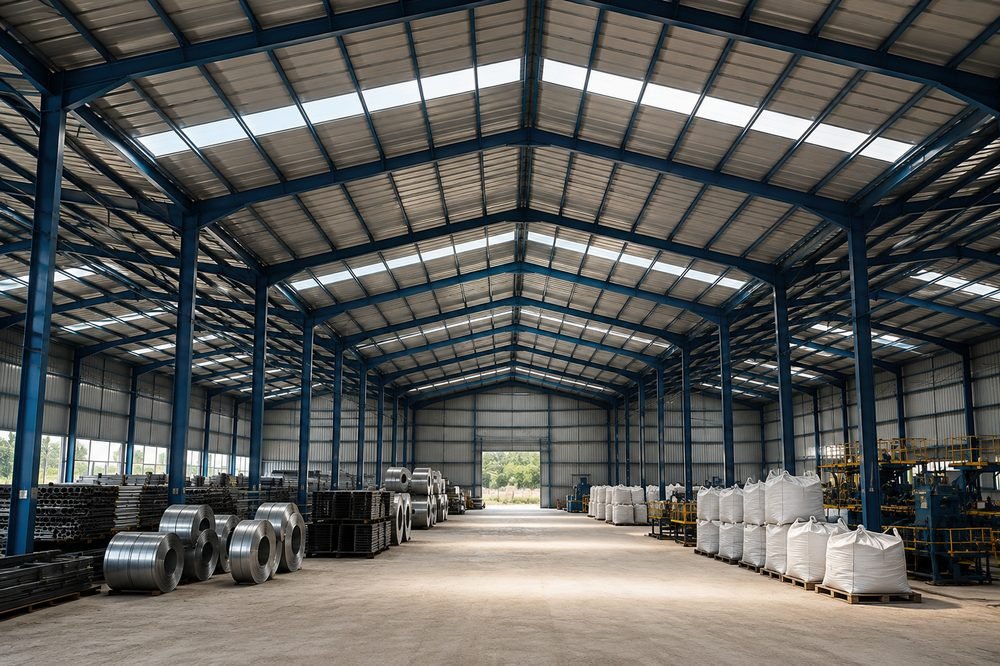
What Is an Industrial Shed?
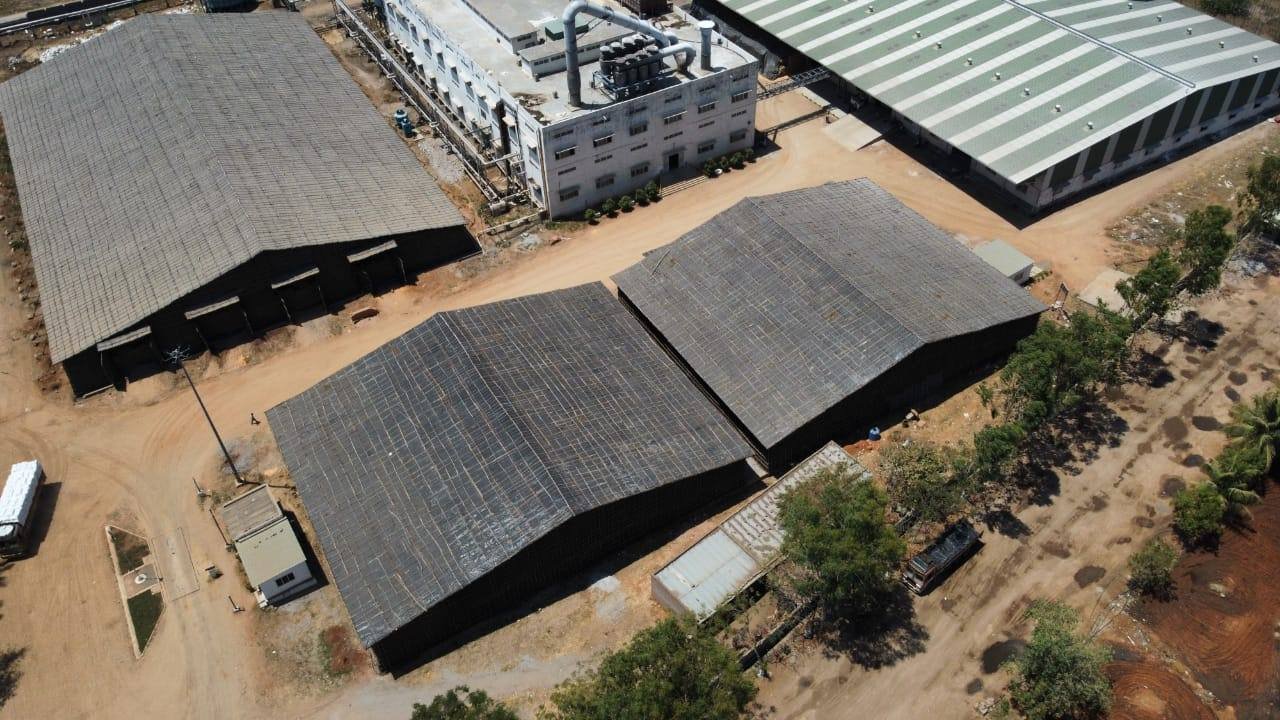
An industrial shed is a steel-framed structure with roof and wall cladding that creates large, column-free covered space for manufacturing, storage or processing. It is usually built from MS, GI or pre-engineered steel and goes up faster than a conventional RCC building.
A typical industrial shed has five parts
- Foundation and base plates anchor the columns to the ground
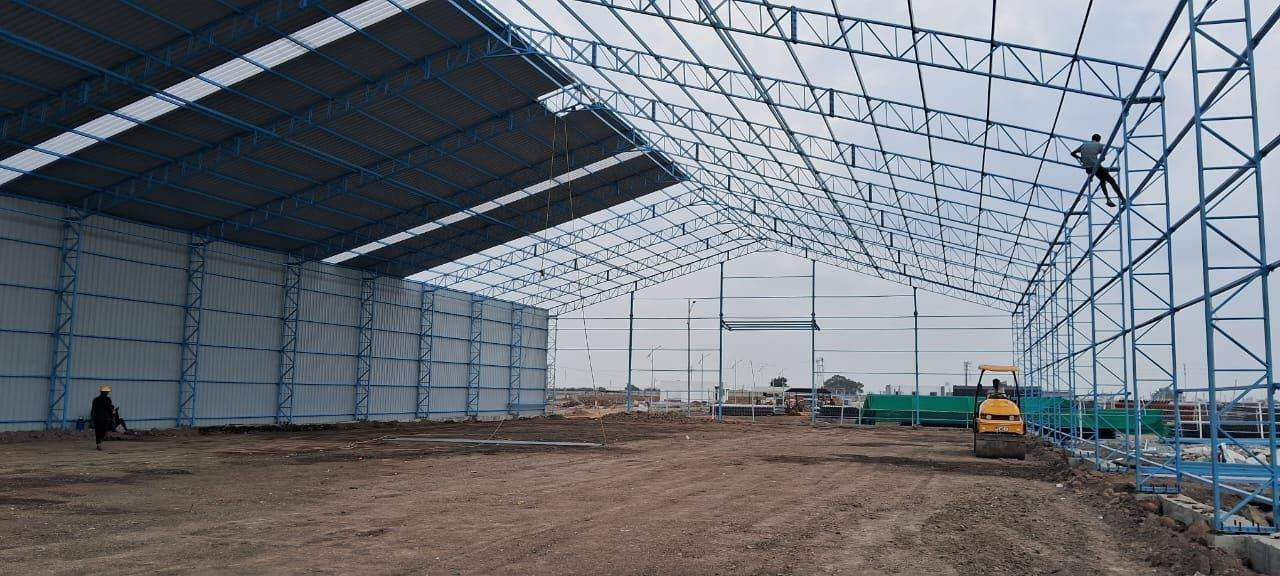
- Columns and rafters form the main frame that carries every load
- Purlins and girts support the roof and wall sheets
- Roof and wall cladding GI, colour-coated, tarpaulin or PVC sheeting, depending on use
- Ventilators, skylights, doors and gutters handle airflow, daylight, access and rainwater
Industrial shed design starts with what the shed will hold. The span, eave height, roof slope, cladding and ventilation are chosen to suit the machinery, stock and vehicles that will move inside. A shed for coil storage needs a different design from one for food packing or bulk grain.
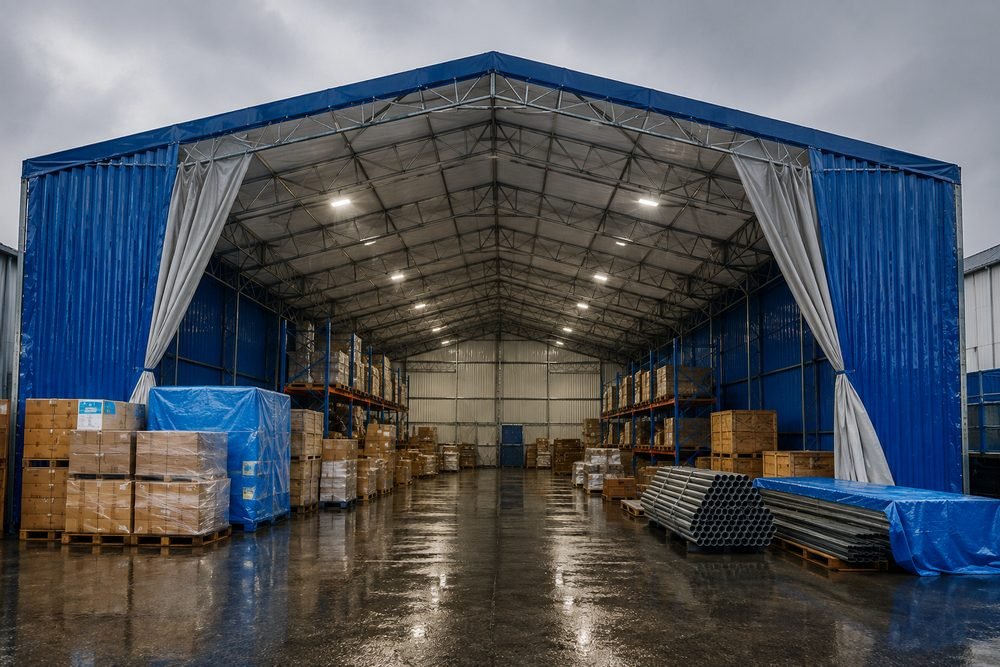
What Is a Factory Shed?
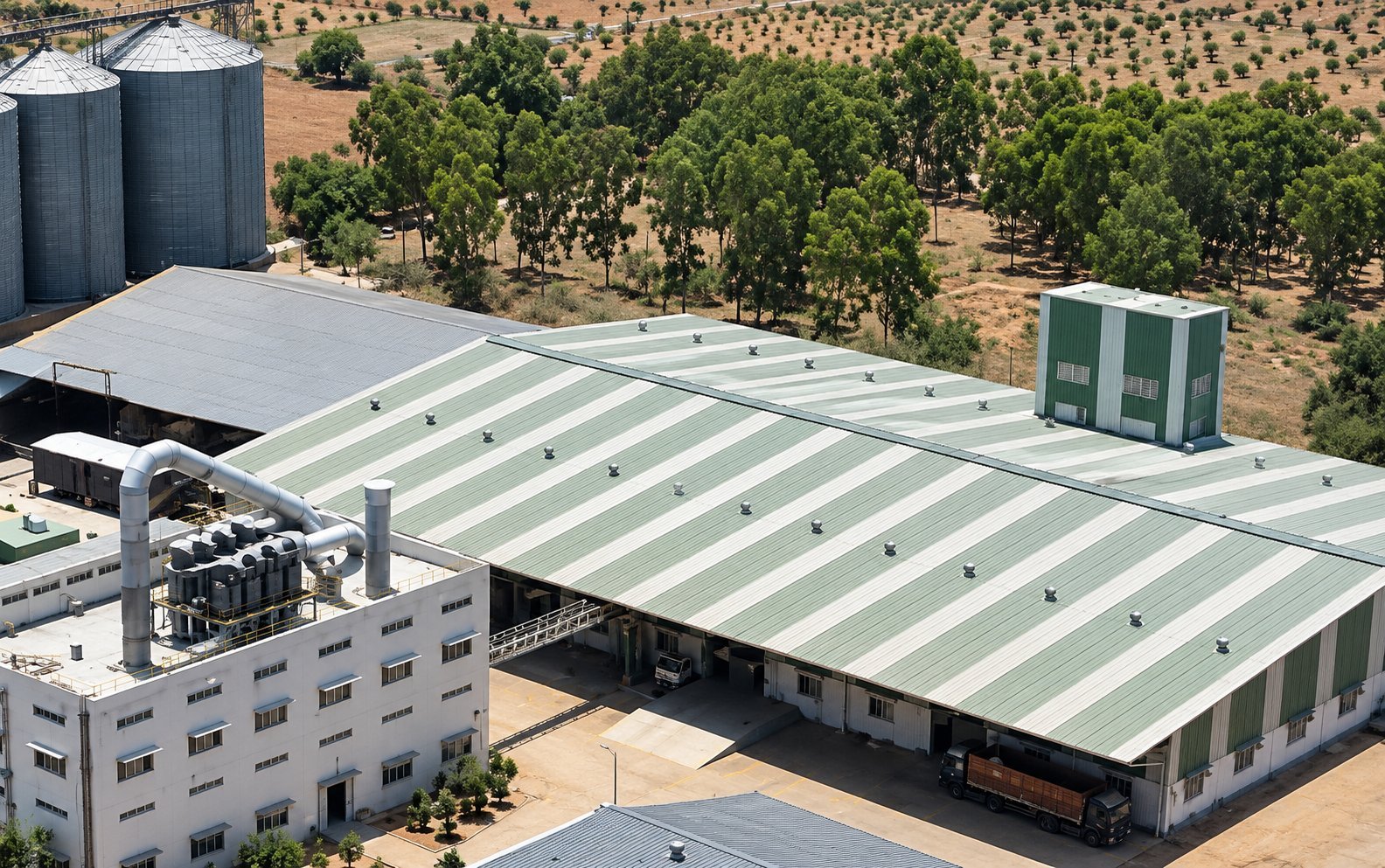
A factory shed is an industrial shed designed to house production. It holds machinery, assembly lines and workers, so its design accounts for clear height, floor load, ventilation, natural light and crane movement, unlike a shed built only for storage.
Factory shed design covers
- Clear height for machines, material stacking and overhead cranes
- Column-free span so production lines and forklifts move without obstruction
- Ventilation and daylight through ridge ventilators and translucent sheets, which keep the floor cooler and brighter
- Foundation strength for heavy machinery and vibration
- Room to expand so new bays can be added as output grows
Most new factory sheds in India are prefabricated. In a prefabricated factory shed, columns, rafters and purlins are fabricated off-site, then transported and bolted together at your location. Site work shrinks to the foundation and erection.
Looking for an industrial shed on rent? Explore our temporary sheds on hire
What Are the Types of Industrial Sheds?
Industrial sheds come in two groups. Permanent sheds (PEB, MS & steel, GI and tin) serve long-term production and warehousing. Temporary sheds (tarpaulin, PVC, hybrid and German hanger) suit seasonal stock, project sites and short-term capacity, and are available on hire.
Permanent Industrial Sheds
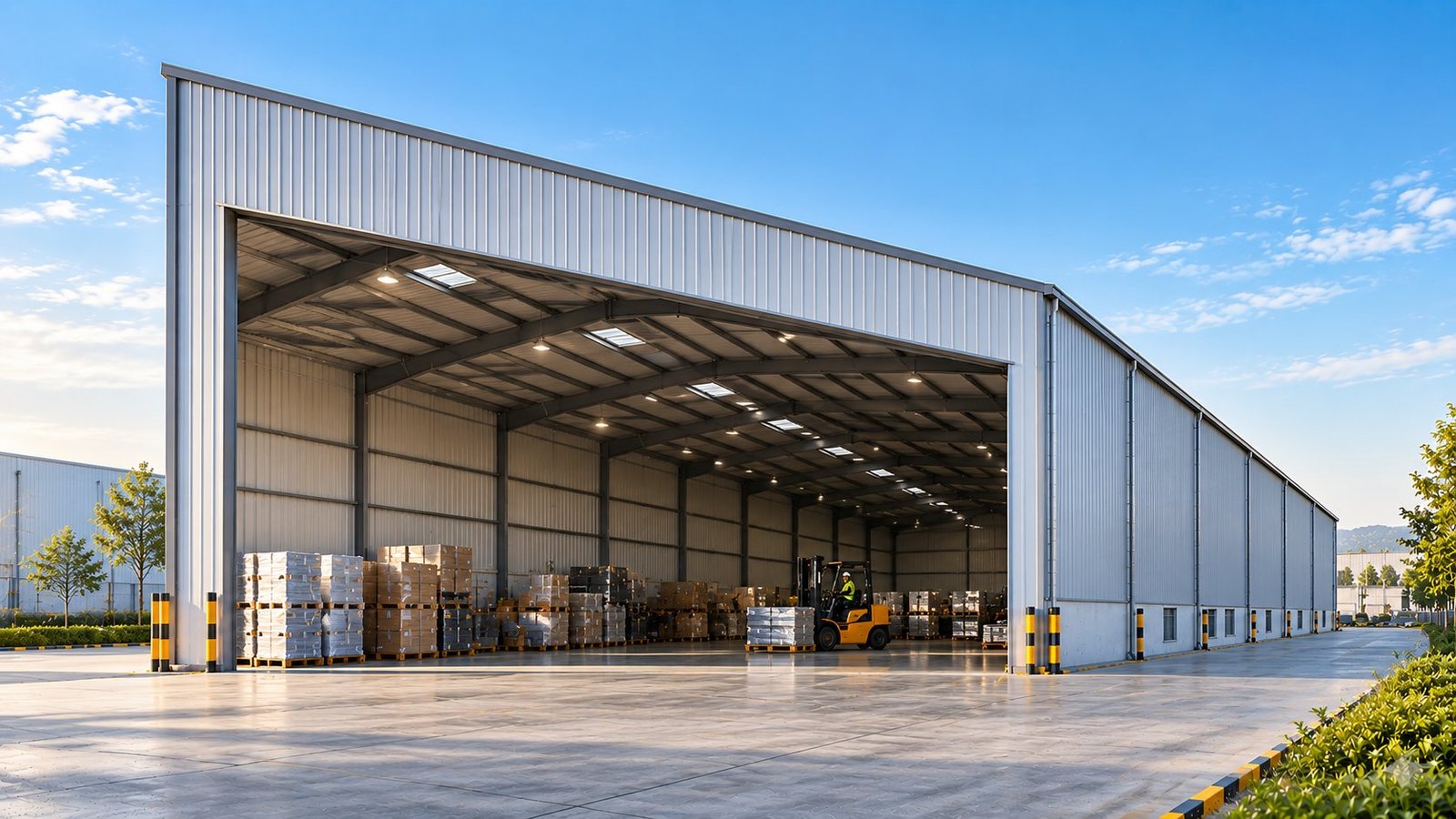
pre-engineered steel frames fabricated to your design and bolted together on site, for large factories and warehouses
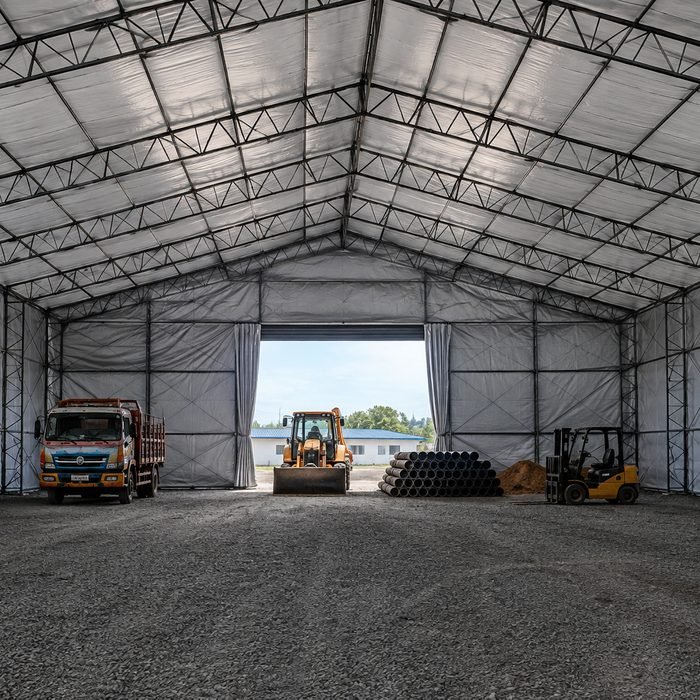
mild steel frames for workshops, fabrication bays and storage
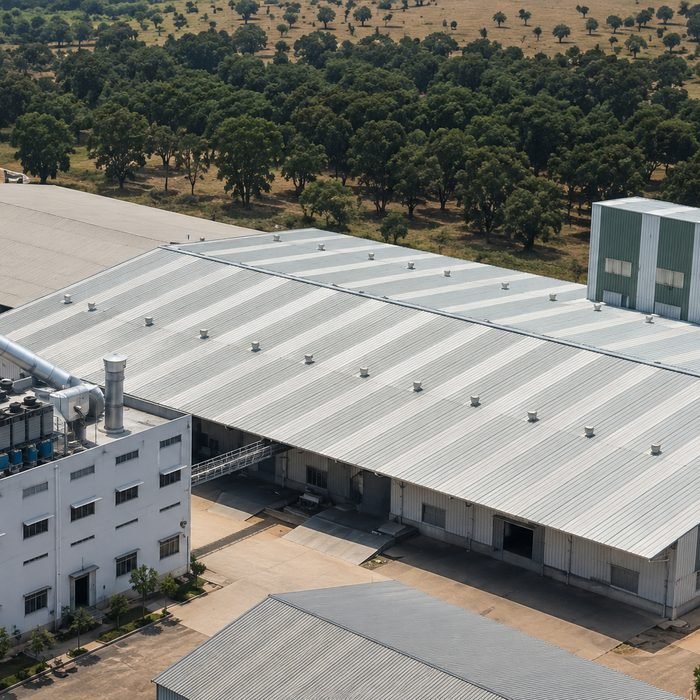
galvanised iron sheets that resist corrosion, for durable covered storage
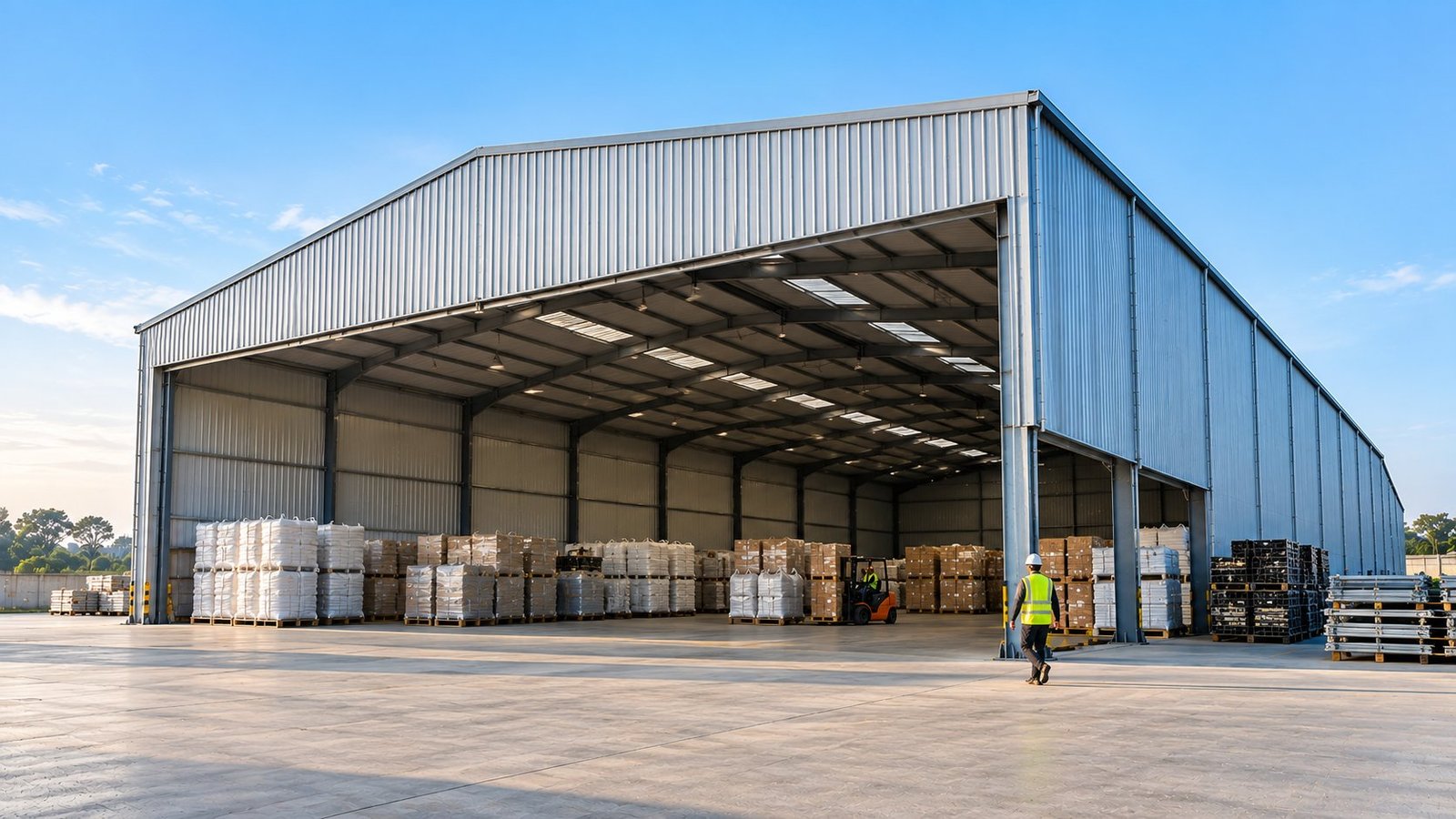
light, economical roofing for small industrial sheds and workshops
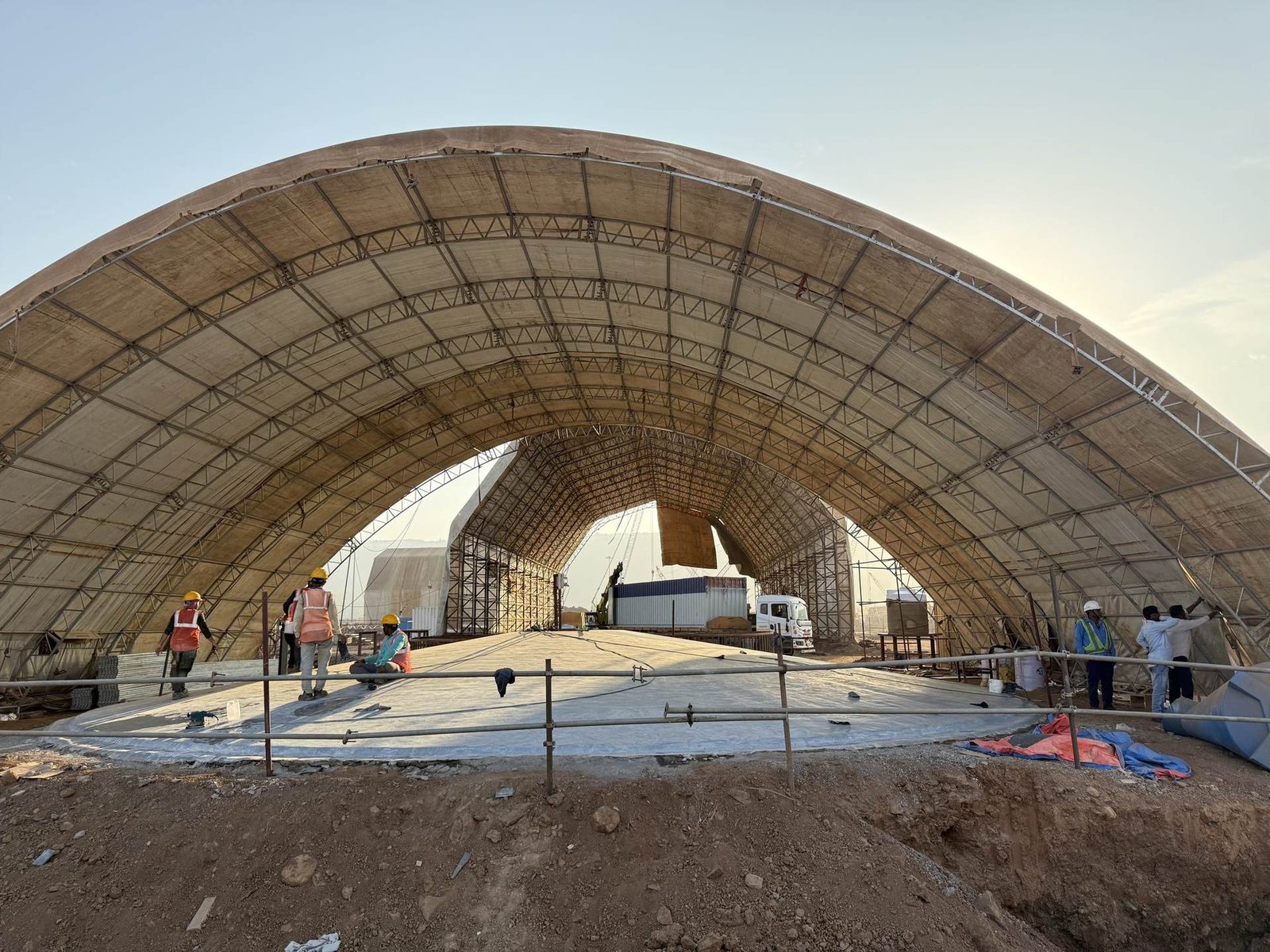
clear-span tents with no internal columns, for large covered areas
Temporary Industrial Sheds
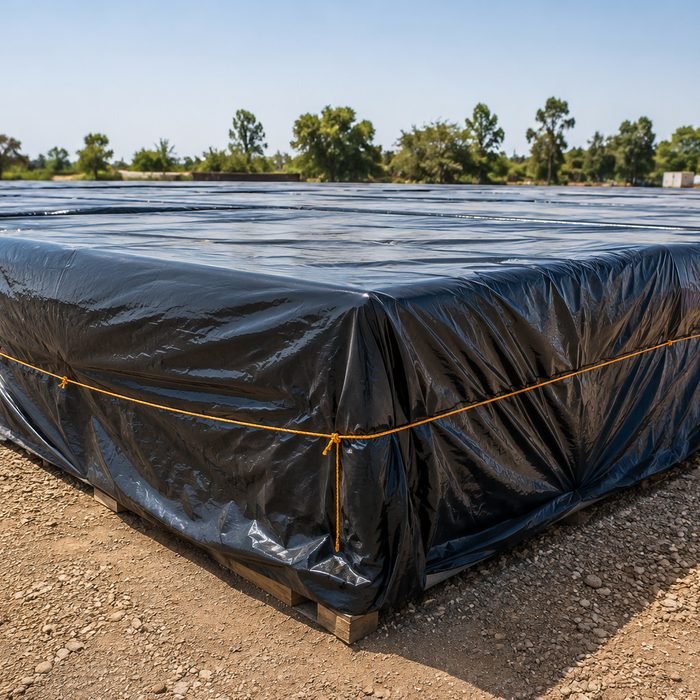
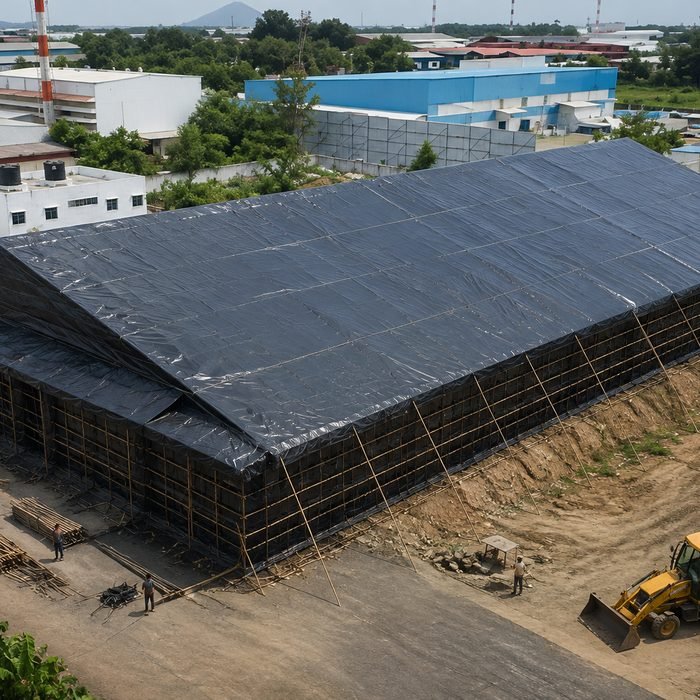
waterproof tarpaulin on a frame that keeps stock dry through the monsoon
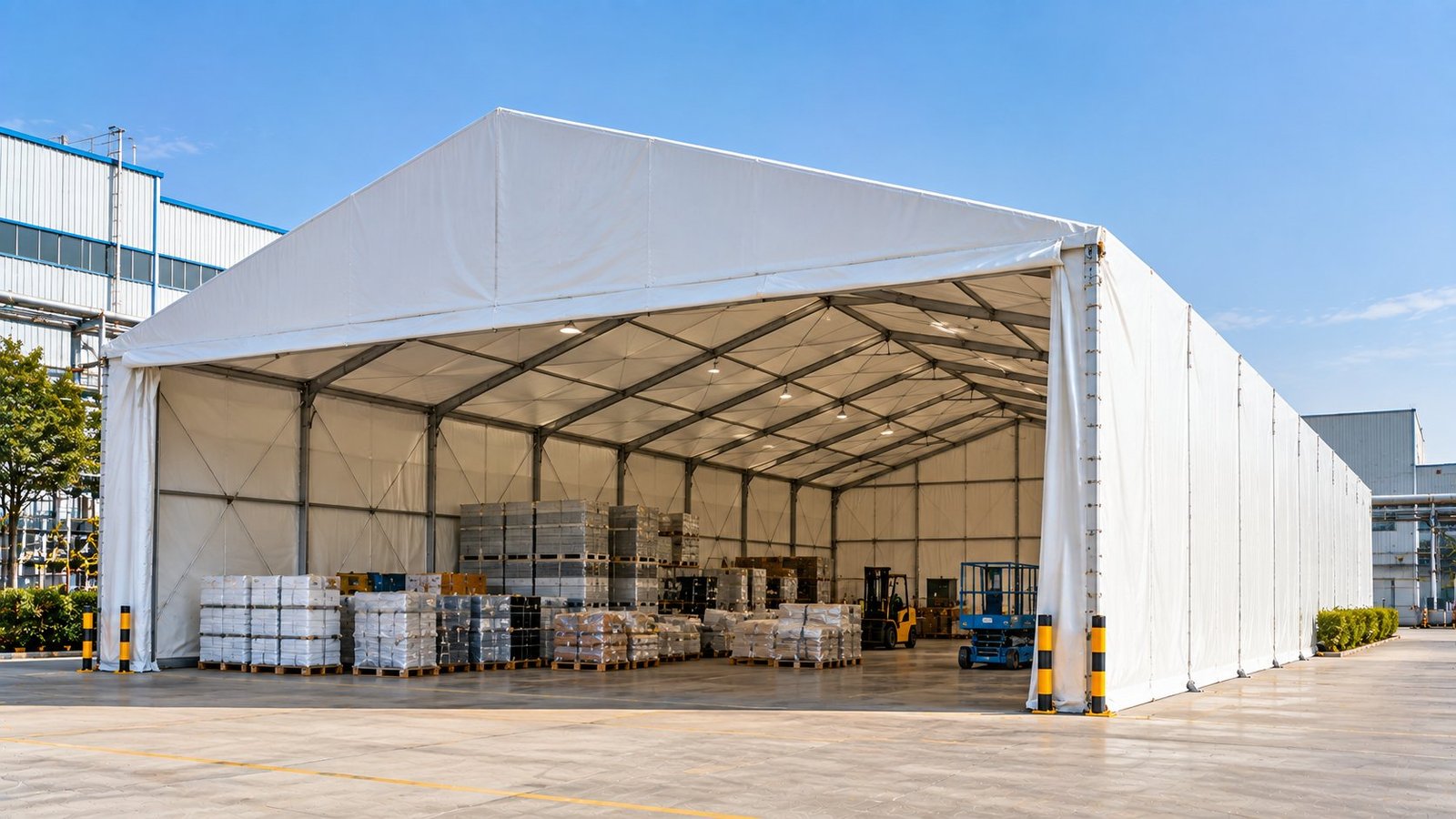
enclosed, easy-to-clean fabric walls for clean storage
steel and tarpaulin combined for sturdier temporary cover
What Are the Advantages of Industrial and Factory Sheds?
Industrial and factory sheds go up faster, cost less upfront and offer more usable floor space than RCC buildings. Their steel structure resists weather, needs little maintenance, and can be expanded, relocated or taken on rent when business needs change.
Components arrive ready-made, and site work is mainly foundation and bolting. Your plant starts operating sooner.
A steel shed uses less material and labour than a concrete building. Hiring a shed instead of buying one spreads the cost over the hire period.
Wide spans leave the floor open for machine layouts, racking and truck movement.
Galvanised and coated sheets resist corrosion, and the structure is designed to handle monsoon rain and wind.
Add bays to the existing frame when production grows, without demolishing what you have.
Bolted sheds can be dismantled and re-erected at a new site, so the asset moves with your business.
Periodic checks of bolts, sheets and gutters keep the shed in working condition.
Which Industries Use Industrial Sheds?
Industrial sheds serve industries across 8 sectors, from automotive plants and steel stockyards to fertiliser depots, ports and metro casting yards. Each industry needs a different span, height and cladding, depending on what the shed stores or houses.
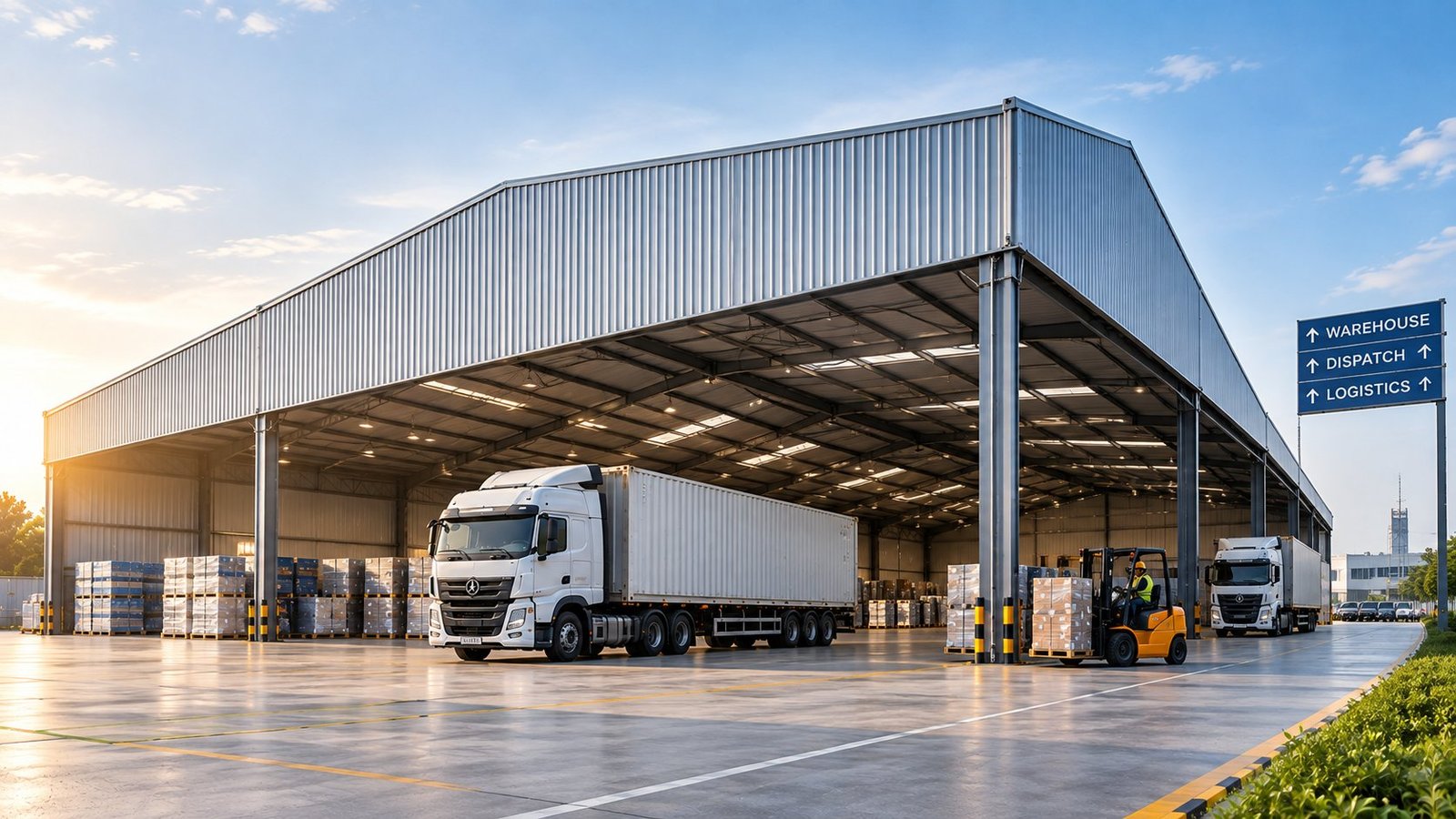
Manufacturing
Automotive & Auto Components
Auto plants use sheds for assembly lines, component stores and finished vehicle parking. Assembly lines run to fixed schedules, so a stock shortage or weather damage can stop production. Our PEB and MS steel sheds give wide, column-free floors for assembly and racking.
Heavy Engineering & Capital Goods
Heavy engineering units fabricate large equipment such as boilers, pressure vessels and structural assemblies. This work needs tall, open bays where materials and cranes move freely. Our PEB and MS steel sheds are erected with wide clear spans and high eaves for large fabrication jobs.
Electronics & Electrical Equipment
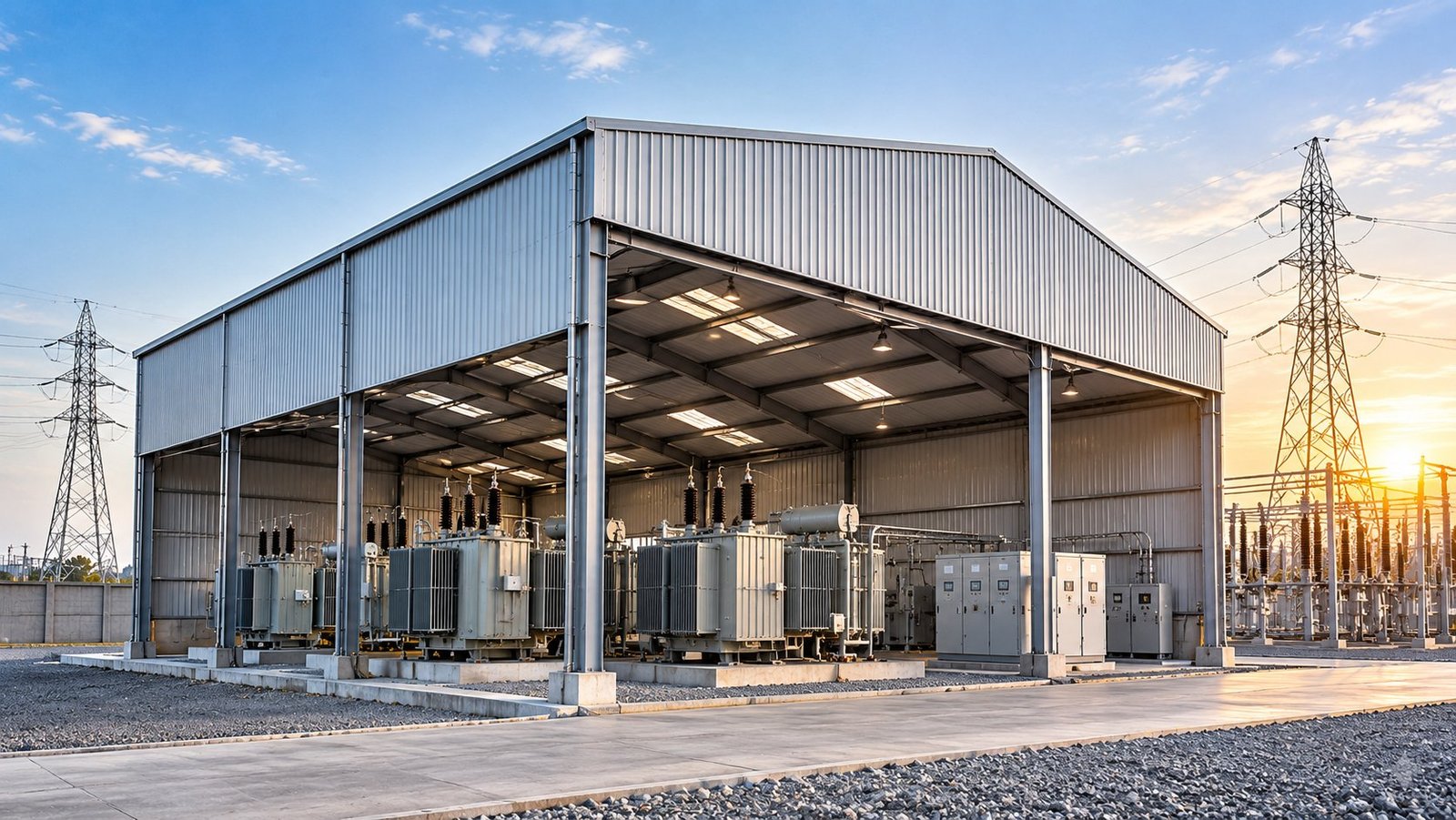
Electronics and electrical units store components, cables, panels and transformers, which moisture and dust can damage. Our closed-wall PEB and PVC sheds keep stock dry and dust-free through the monsoon.
Textiles & Garments
Textile mills and garment units need covered space for cotton bales, yarn, fabric rolls and finished garments. Moisture causes fungus and discolouration in cotton and fabric. Our monsoon tarpaulin and steel sheds keep bales and rolls dry during heavy rain.
Paper, Packaging & Printing
Paper reels, corrugated board and printed stock absorb moisture and lose strength in humid conditions. Mills and converters need dry storage close to production. Our enclosed sheds protect reels and board from rain and ground moisture.
Rubber, Plastics & Polymers
Moulding and processing units store polymer granules, natural rubber and finished products. Sunlight and rain break down rubber and plastics over time. Our covered sheds protect raw materials and finished goods from UV exposure and monsoon rain.
Glass, Ceramics & Tiles
Glass, ceramic and tile plants hold heavy finished stock on pallets and in crates before dispatch. In an open yard, rain damages cartons and labels. Our steel and tarpaulin sheds create covered dispatch yards that keep packed stock clean and ready to load. Wide spans let forklifts and trucks move inside the shed.
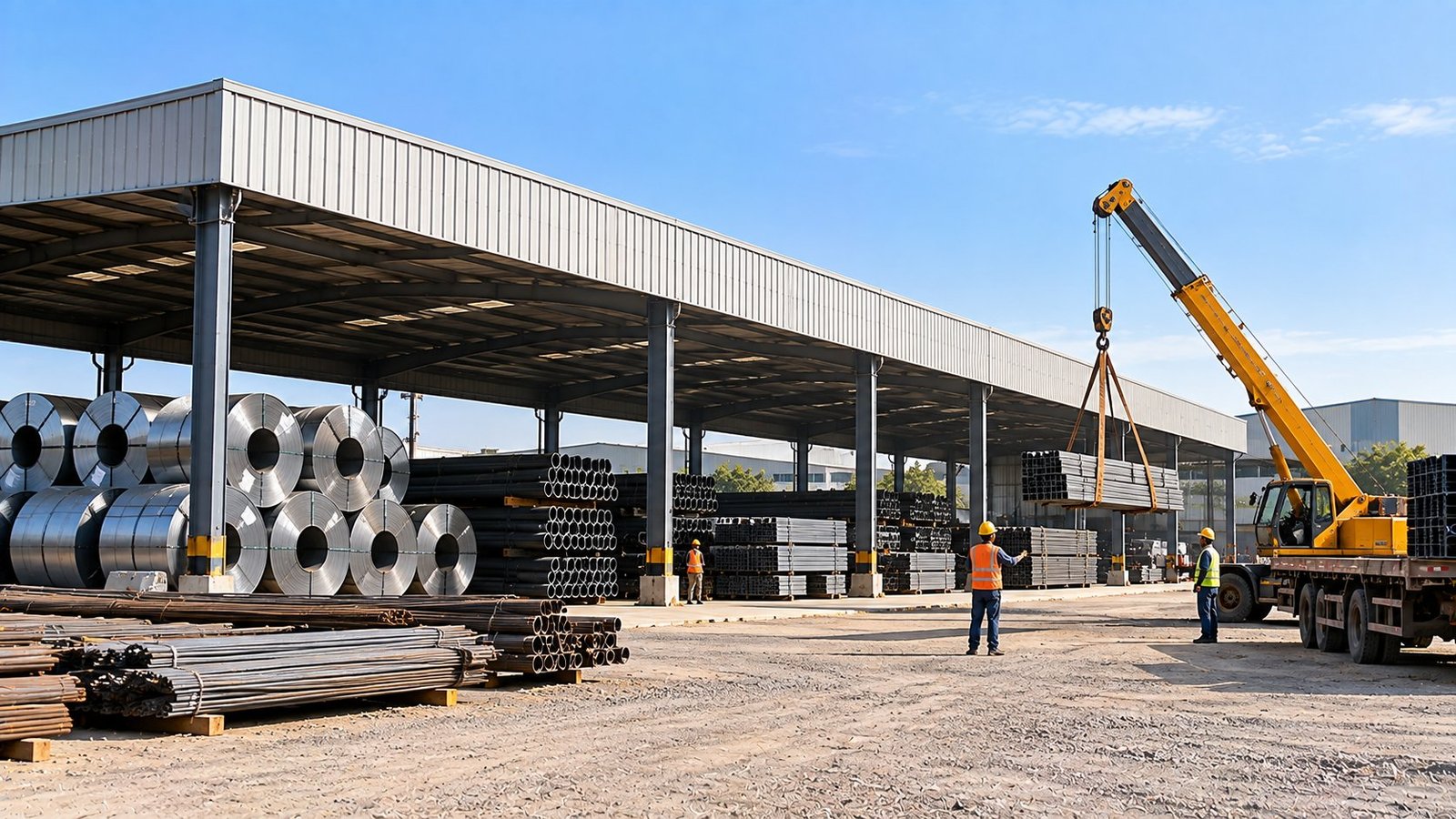
Metals, Mining & Building Materials
Iron & Steel
Steel plants and stockyards store coils, billets, plates and TMT bars. Rain and humidity cause rust, which lowers the value of finished steel. Our MS steel and GI sheds keep finished steel dry and free of rust.
Non-Ferrous Metals (Aluminium, Copper, Zinc)
Non-ferrous units store ingots, cathodes, wire rods and extrusions. These metals are worth a lot per tonne, so storage must be secure and weatherproof. Our enclosed steel sheds protect stock from moisture and oxidation. Lockable sidewalls add security for high-value inventory.
Mining & Minerals
Mines need sheds for equipment maintenance, spare parts, ore samples and site offices. Mine operations move to new areas as work progresses. Our relocatable sheds can be taken down and re-erected at the next work area, which saves the cost of permanent structures at short-term locations.
Cement
Cement plants store clinker, gypsum, fly ash and coal, all of which must stay dry. Bagged cement hardens when it gets damp. Our steel sheds and tarpaulin coverings keep raw materials and bagged cement dry through the monsoon.
Chemicals, Pharma & Fertilisers
Chemicals & Specialty Chemicals
Chemical units store raw materials in drums, bags and IBCs that need shade and airflow. Direct sun heats drums, and rain damages bagged material. Our ventilated sheds keep chemical stock shaded, dry and well aired. Shed layouts are planned around your site’s segregation and safety norms.
Pharmaceuticals & Life Sciences
Pharma companies need space for packaging material, overflow raw material and dispatch staging. Production areas must follow GMP rules, but storage and logistics areas need fast, flexible capacity. Our enclosed sheds add dry, clean storage outside the production block.
Fertilisers & Agrochemicals
Fertiliser plants and dealers store urea, DAP and complex fertilisers in bags. Urea absorbs moisture from the air and forms hard lumps in humid conditions. Our monsoon tarpaulin and steel sheds keep fertiliser bags dry at plants, railheads and buffer stock points. Temporary sheds hold the stock that builds up before the kharif and rabi seasons.
Energy & Utilities
Oil & Gas, Refineries & Petrochemicals
Refineries and petrochemical plants need covered space for equipment, spares and maintenance work. Planned shutdowns bring large crews and materials on site for a short period. Our temporary sheds are put up on site as shutdown workshops and material stores, and taken down once the work is done. Permanent steel sheds handle long-term storage of spares.
Thermal Power Plants & Utilities
Thermal power plants store coal, spare parts and maintenance equipment on site. Wet coal burns less efficiently and is harder to handle. Our large-span sheds and tarpaulin coverings protect coal and spares from rain.
Renewable Energy (Solar & Wind)
Solar and wind projects store modules, inverters, cables and turbine parts on site before installation. These sites are often remote and only busy during construction. Our temporary sheds give covered storage for the length of the project and are taken down after commissioning.
Waste Management & Recycling
Recycling units and waste facilities sort, bale and store material under cover. Rain soaks the waste, adds weight and creates contaminated runoff. Our covered sheds keep sorting and baling areas dry and keep rainwater off the waste. Wide clear spans leave room for balers, conveyors and loaders.
Agriculture & Food
Agriculture & Grain Storage
Farmers, traders and procurement agencies store wheat, rice, pulses and seeds after harvest. Grain kept in the open spoils in the rain and attracts pests. Our tarpaulin and hybrid sheds provide covered storage quickly during harvest and procurement season. Sheds are hired for the season and removed once the stock moves out.
Food & Beverage Processing
Food and beverage units store raw produce, packaging material and finished goods. Food safety rules require stock to stay dry, clean and off open ground. Our PVC and steel sheds provide enclosed, easy-to-clean storage near processing lines.
Sugar
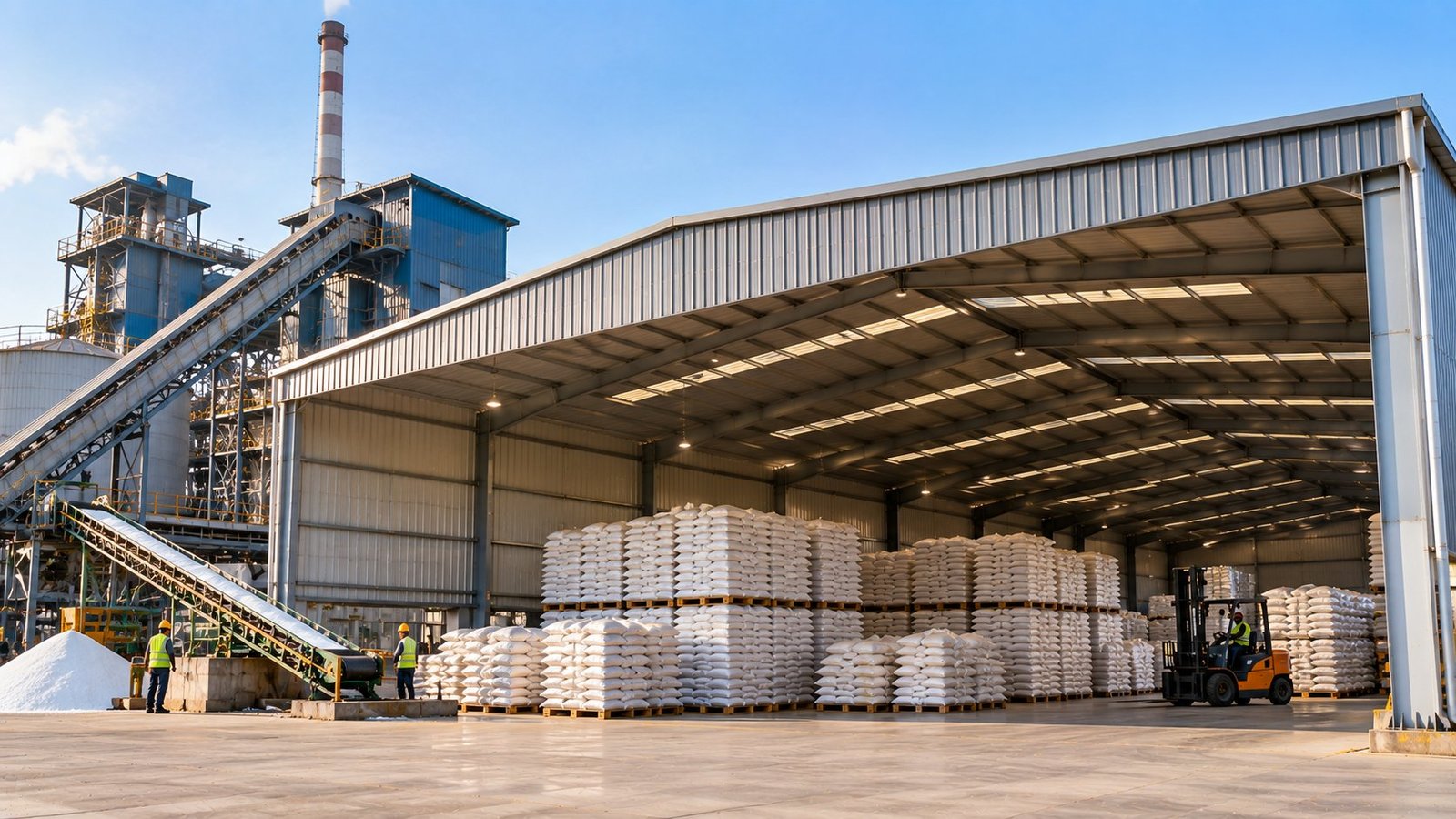
Sugar mills store bagasse and bagged sugar through the crushing season. Wet bagasse loses fuel value, and sugar bags harden in moisture. Our bagasse coverings and storage sheds keep both dry through the monsoon. Temporary sheds can be hired for the crushing season and removed afterwards.
FMCG
FMCG companies run distribution warehouses and packing units close to their markets. Stock volumes rise before festive seasons and promotions. Our temporary warehouse sheds add storage on hire without a long construction timeline. Closed sidewalls protect cartons from rain and dust.
Logistics & Supply Chain
Logistics, 3PL & E-commerce Warehousing
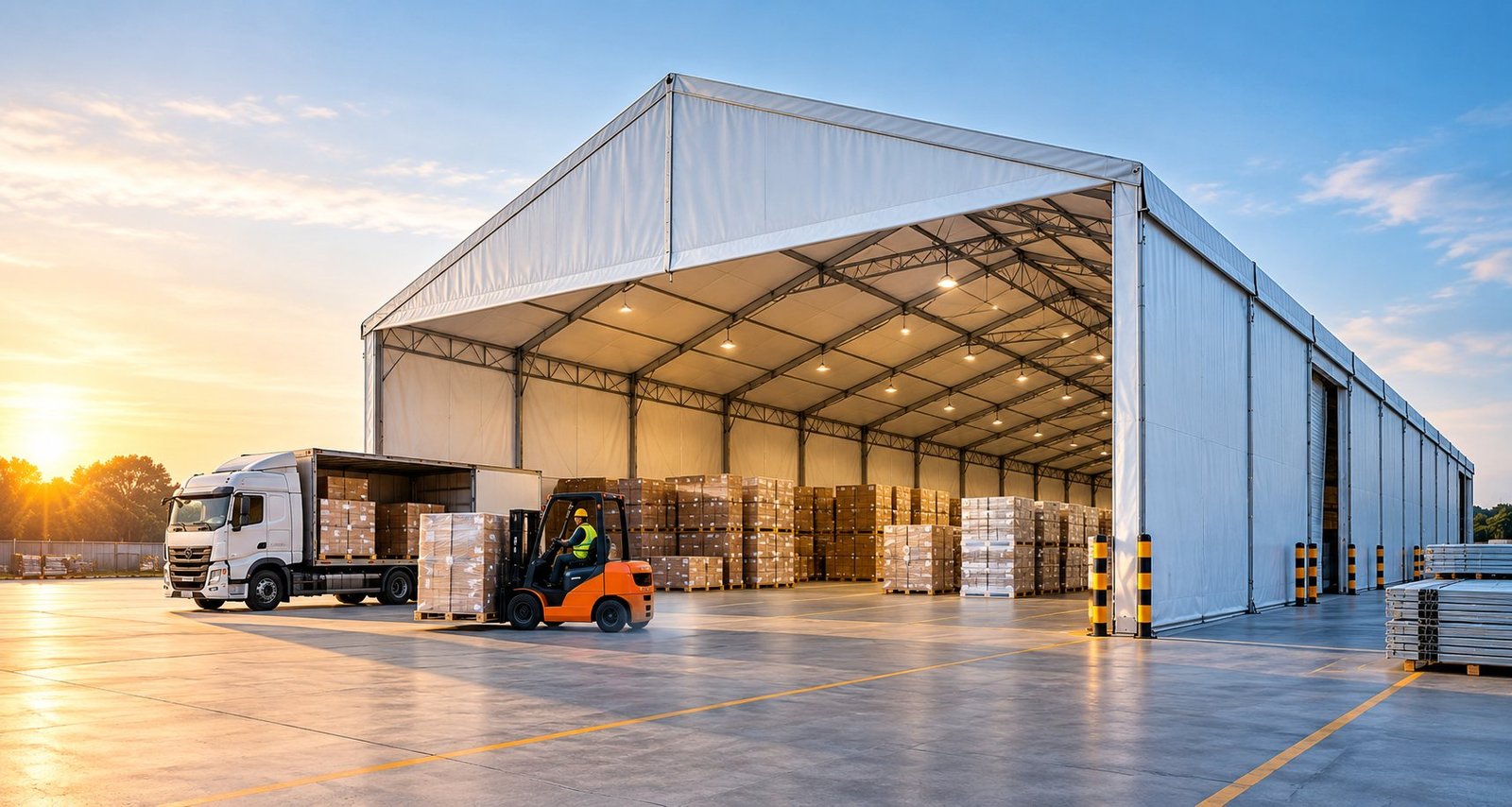
3PL and e-commerce operators need large open floors for storage, sorting and cross-docking. Demand peaks during sale events and festive seasons. Our PEB and temporary warehouse sheds provide column-free space for racking and truck movement. Hiring sheds lets operators add or remove capacity as demand changes.
Ports, ICDs & CFS
Ports, inland container depots and container freight stations handle bagged cargo, break-bulk and container stuffing. Monsoon rain damages cargo waiting for loading or customs clearance. Our large-span sheds and tarpaulin coverings protect cargo during handling and storage.
Infrastructure & Construction
Construction, Infrastructure & EPC
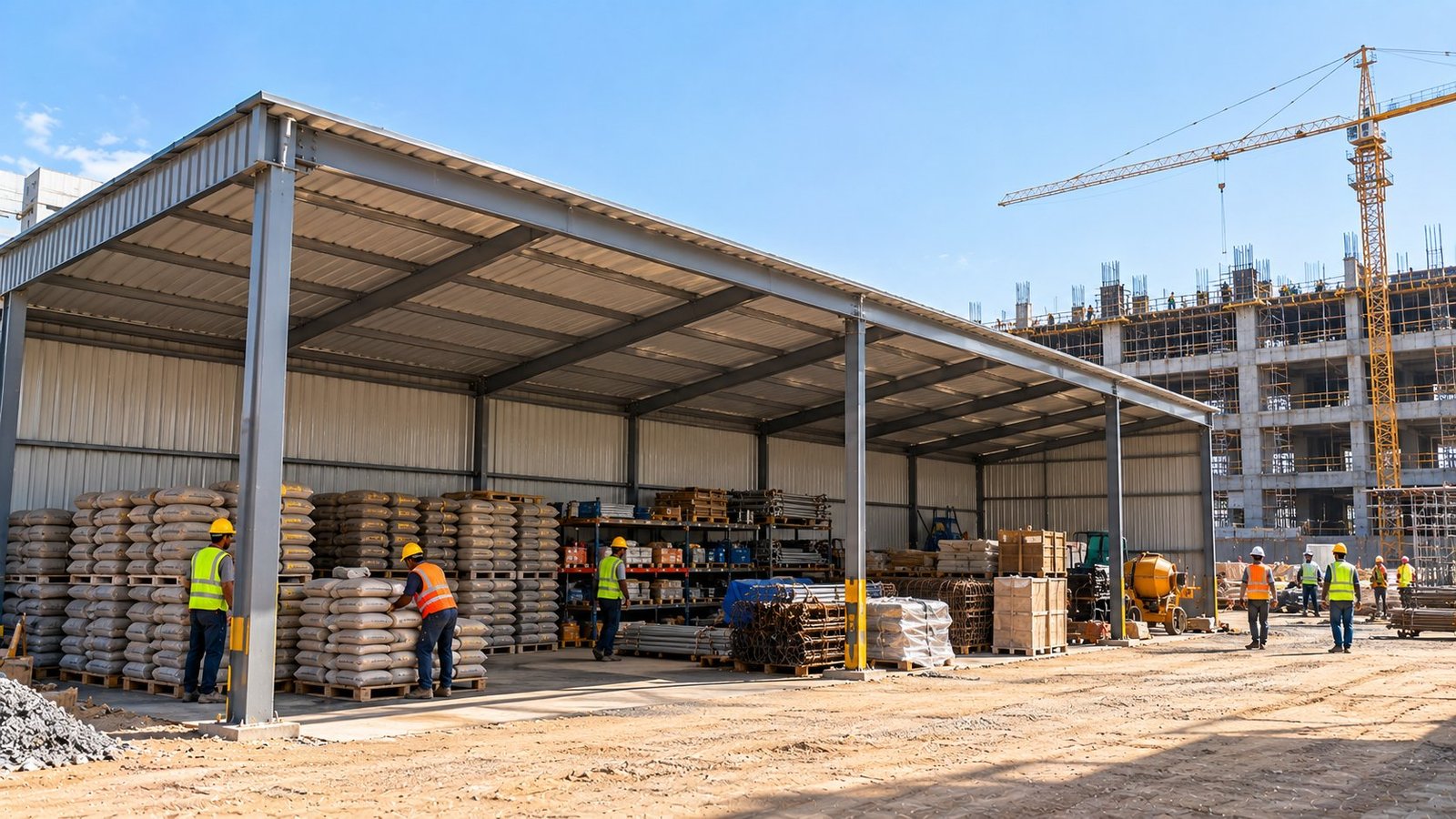
Construction sites need covered storage for cement, steel, tools and equipment, plus site offices and labour sheds. Each project runs for a fixed period and then moves on. Our temporary construction site sheds are supplied on hire, put up on site and taken down at handover. Contractors don’t have to build permanent structures at every site.
Railways & Metro Projects
Railway and metro projects set up casting yards, material stores and maintenance areas along the route. Casting yards need covered space for rebar fabrication and segment work. Our relocatable sheds move with the project as work advances along the route.
Shipbuilding & Ship Repair
Shipyards fabricate hull blocks and carry out painting and outfitting before assembly. Rain and wind hold up welding and painting in open yards. Our large-span steel sheds provide covered fabrication bays, so work continues through the monsoon.
Aviation & Defence
Aviation, Aerospace & Ground Handling
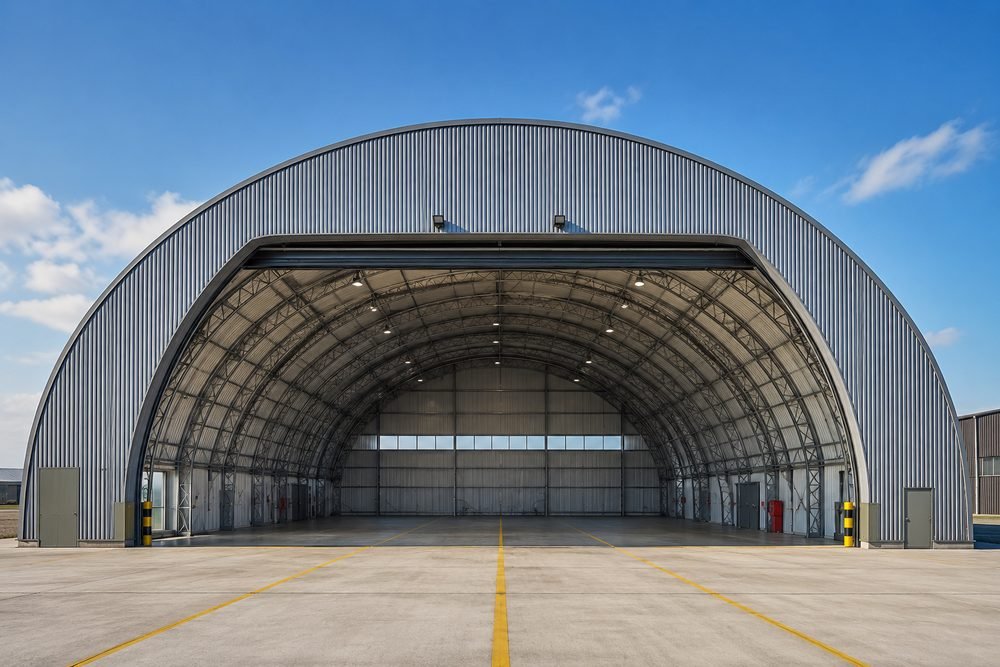
Airports, MRO units and ground handling agencies need hangars and covered space for ground support equipment and spares. Equipment left in the open is damaged by rain and heat. Our German hanger tents and PEB structures give wide, column-free cover for equipment and maintenance work.
Defence
Defence establishments need storage for vehicles, equipment and supplies, often at remote or temporary locations. These structures must go up quickly and move when units relocate. Our German hanger tents and relocatable sheds can be put up, taken down and moved as needs change. Permanent steel sheds serve long-term depots.
Frequently Asked Questions
Can I take an industrial shed on rent instead of buying one?
Yes. Shivji Valji Sheds supplies industrial sheds on hire and erects them on your own site for the period you need. When the hire ends, we dismantle the shed and clear the site.
What decides the cost of an industrial or factory shed?
Six factors decide the cost: shed area, span, eave height, frame material (PEB, MS or GI), cladding type and foundation. Site location and whether you hire or buy also change the final figure. Share your size and use to get an exact quote.
How long does it take to erect an industrial shed?
A 10,000 sq ft PEB factory shed takes 45-60 days, and a 20,000 sq ft PEB warehouse takes 70-85 days. Temporary tarpaulin, PVC and hybrid sheds need no concrete foundation, so they go up much faster.
Do I need government permission to build an industrial shed in India?
Yes, for a permanent shed. You need building plan approval from your local municipal body or industrial development authority, such as MIDC in Maharashtra, and manufacturing units also need a factory licence. Rules for temporary sheds vary by local authority.
What details do I need to share to get a shed quote?
Share your site location, the area you need (length × width), the height you need, what the shed will store or house, and whether you want to hire or buy. Site photos help our team suggest the right design quickly.
Since 1910, industries across India have trusted Shivji Valji Sheds for covered space. Share your site size, location and use to get a quote.