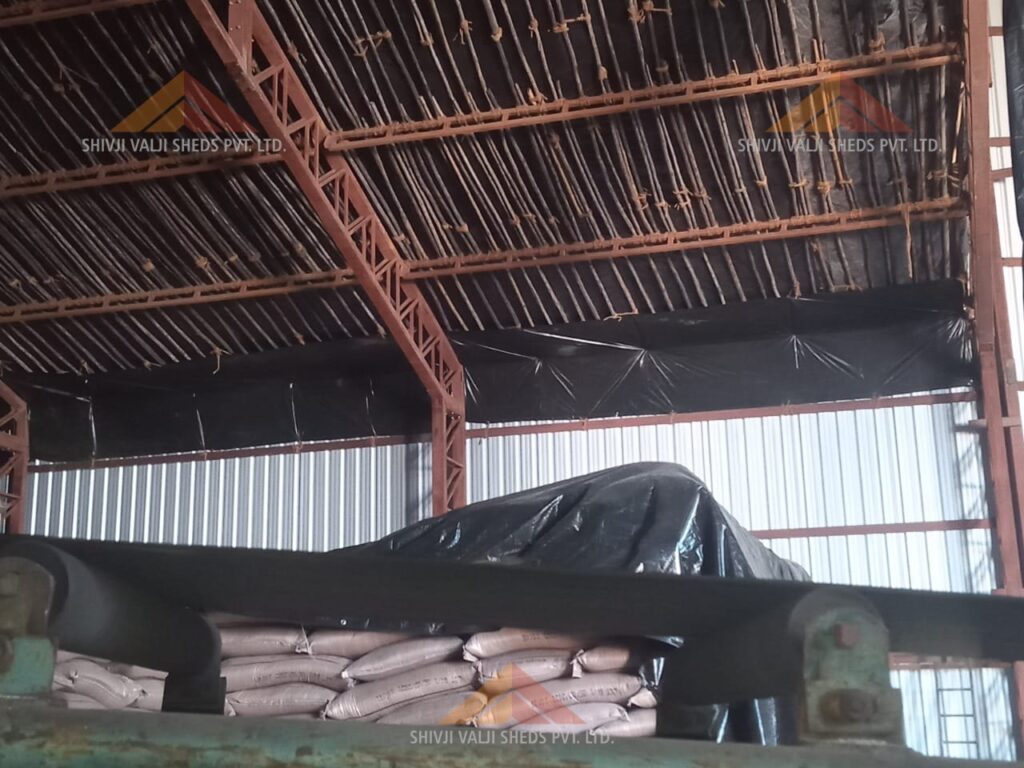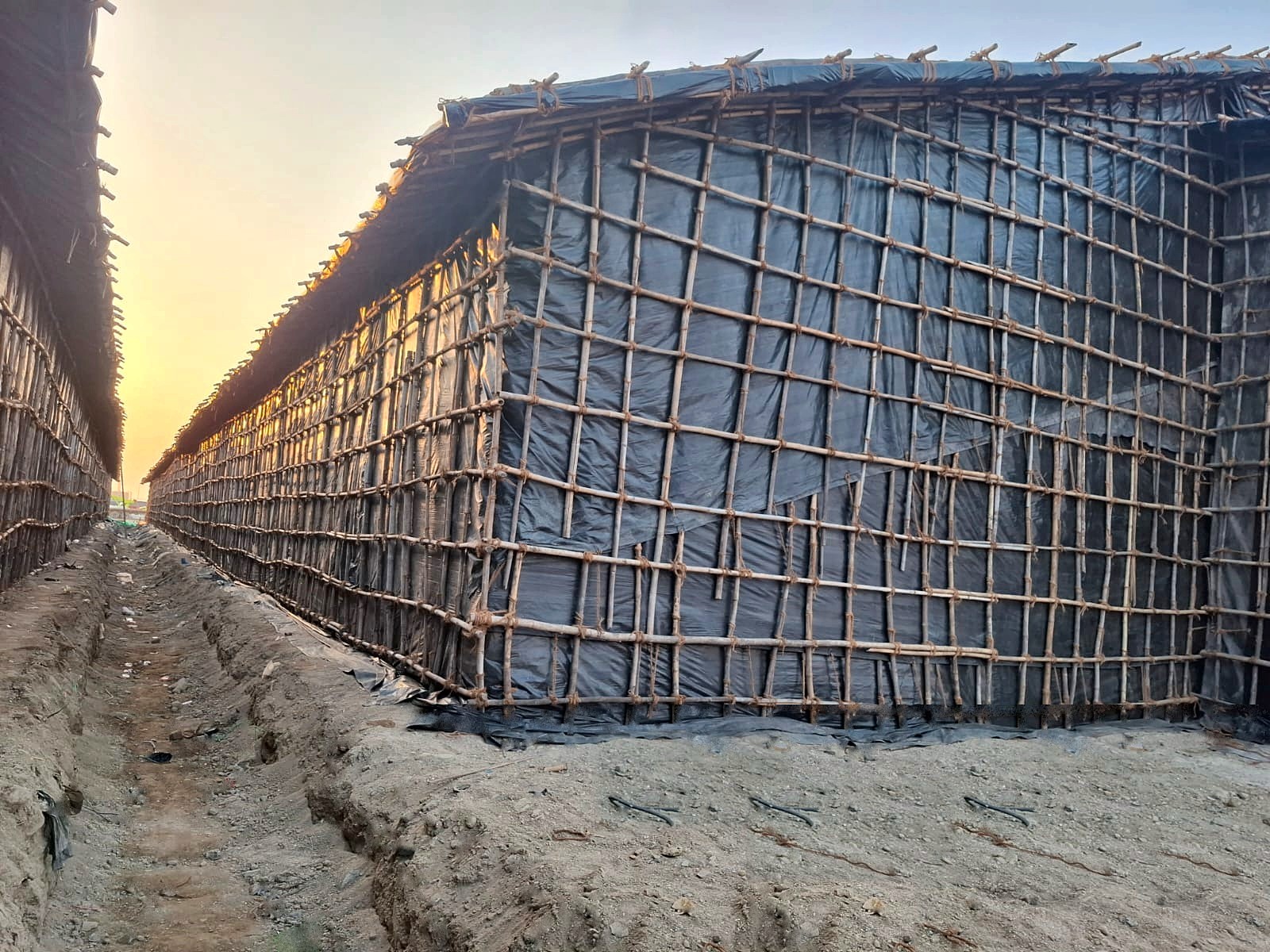
Rent vs buy a temporary shed comes down to 4 checks: how long you need the shed, the total cost of each option, how long the shed lasts, and whether you will reuse it at another site. Renting, or hiring, a temporary shed suits short or open-ended projects with a low upfront spend, while buying gives better value once use runs past the break-even point or the shed serves 2 or more projects. This guide compares both on ownership, cost, lifespan, flexibility and relocation, and shows how to calculate break-even with a worked ₹4.5 lakh example.
What Is The Difference Between Renting And Buying A Temporary Shed?
Renting, or hiring, a temporary shed gives you the structure for an agreed period while the provider keeps ownership. Buying makes the shed your asset. The choice decides who pays upfront, who maintains the shed, and what happens after the project.
1. Ownership And Payment Structure
With a rental, you pay hire charges for the agreed period and the shed stays with the provider. Buying needs a higher payment at the start, and ownership passes to you after the sale. The quotation should list what is included, such as transportation, erection, dismantling and repairs.
2. Installation And Removal
The agreement should state who erects and dismantles the shed. A hire arrangement can include erection at the start and dismantling at the end of the hire period. A purchased shed needs its own plan for installation and for dismantling or shifting once the project ends.
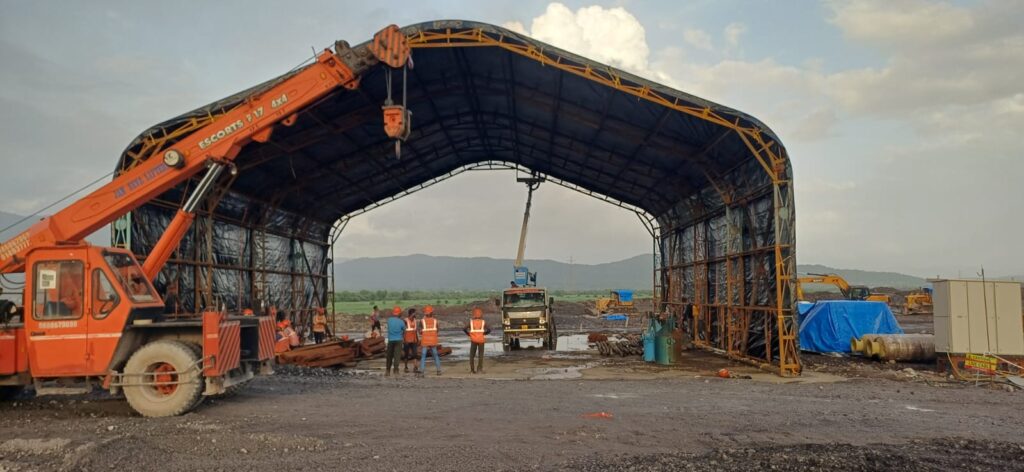
How Do The Costs Of Renting And Buying A Temporary Shed Compare?
Temporary shed cost in India is best compared over the full period of use. Buying puts most of the spend upfront, while hiring spreads payments across the hire period. Compare the installed purchase cost with total rent for the same months.
1. Upfront Purchase Cost
Buying a temporary shed involves an initial cost for the structure, based on covered area, shed type, materials, design and site requirements. Transportation, erection and site preparation may be charged separately, so compare purchase quotes on the complete installed cost.
2. Recurring Rental Cost
Rent is quoted on shed size and specification, usually per sq ft per month or per season. On a monthly hire basis, a longer period adds more payments, so compare the total rent for the full period alongside the monthly rate. Check whether erection, dismantling, transportation and maintenance are included or billed separately. Current rates by shed type and city are in our guide to temporary shed rental prices in India.
3. Long-Term Cost Of Ownership
For a purchased shed, the cost per month falls the longer you use it. Once the purchase and installation costs are recovered, each extra month of use is rent-free. Hire charges are usually booked as an operating expense, while a purchased shed is a capital asset depreciated over its working life. Confirm the accounting treatment with your chartered accountant.
How Long Does A Temporary Shed Last?
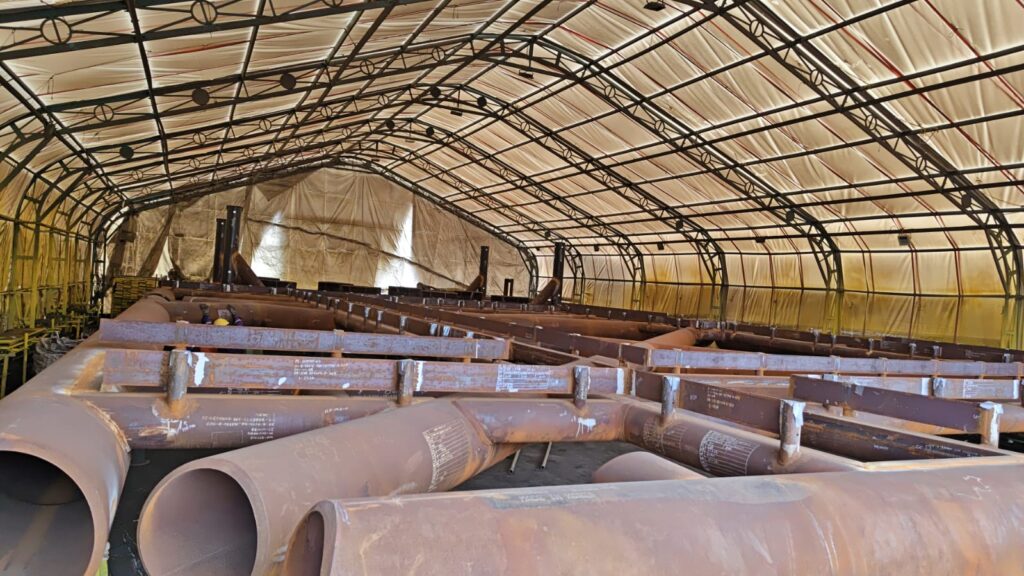
A temporary shed's steel frame is reused for years, while the tarpaulin or sheet covering is replaced in cycles. Usable life depends on materials, site exposure and maintenance, and it decides whether buying pays off beyond the break-even point.
1. Material Quality And Construction
The frame, covering, fasteners and joints set how long a shed stays in service. A properly fabricated and erected MS steel or GI sheet shed handles demanding site use when its components suit the expected loads. On hire, material quality is the provider's responsibility; when you buy, specify the frame section and covering grade in the purchase order.
2. Weather Exposure And Site Conditions
Sites with heavy monsoon rain, coastal humidity or strong wind need sturdier framing, correct roof slope and secure anchoring to reach a full service life. For these sites, monsoon tarpaulin sheds and hybrid sheds match the cover to the exposure and the duration of use.
3. Maintenance And Expected Service Life
Maintenance responsibility changes with the choice. Under a hire agreement, the provider usually inspects, re-tensions and repairs the shed during the hire period. After a purchase, the owner plans these checks on the roof sheets or tarpaulin, fasteners, rust spots and drainage to keep the shed usable for its full expected life.
4. Lifespan, Reuse And Resale Value
Lifespan decides whether buying makes financial sense. A purchased shed that stays serviceable after the first project can be dismantled and erected at the next site, or resold. The purchase cost then spreads across more years of use, which lowers the effective cost per project.
| Rent Or Buy? Get The Right Shed For Your Site. Get your rent or buy quote |
When Does Buying A Temporary Shed Break Even With Renting?
Buying breaks even with renting when total rent paid equals the full cost of buying and installing the shed. Use the same shed size, specification and period for both options, and add every separate charge before comparing.
1. Calculating Cumulative Rental Cost
Start by adding the rent for every month the shed will be needed. In an illustrative case, a shed hired at ₹30,000 per month for 12 months costs ₹3.6 lakh before separate transportation, installation, maintenance or dismantling charges. Use the expected period of use, which can run longer than the first contract.
2. Comparing Rental Spending With Purchase Cost
Now compare that total with the complete cost of buying and installing the shed. If the purchase costs ₹4.5 lakh and the same shed hires for ₹30,000 per month, the simple break-even point is:
₹4.5 lakh ÷ ₹30,000 = 15 months
This is a basic calculation. If buying adds ₹50,000 for transportation and installation while the hire charge includes these services, the break-even point moves to about 16.7 months (₹5 lakh ÷ ₹30,000). These figures are illustrative; actual rates depend on shed size, type and site.
3. Project Duration And The Break-Even Point
In the example above, a 6-month requirement favours hiring, because the purchase would recover only 6 of the 15 months needed. A requirement running past 15 months favours buying.
Is Renting Or Buying A Temporary Shed More Flexible?
Buying gives more control over the shed's size, layout, modifications and future use. Hiring offers more convenience when the requirement is short-term and a shed from the provider's standard range suits your site, with erection and dismantling arranged for you.
- Shed Size And Layout: Buying allows you to select the covered area based on the quantity and type of materials, machinery, or stock being stored. You can also plan the entry points and internal space around how the shed will be used. With renting, you generally choose from the provider's available sizes and configurations.
- Modifications And Site-Specific Requirements: If the site needs a particular opening, height, partition or storage arrangement, buying gives you more scope to plan these into the shed. For a hired shed, changes are agreed with the provider, especially where they affect the structure.
- Security And Access To Stored Materials: For sheds storing construction materials, equipment or inventory, plan who needs access and how often. A purchased shed gives you full control over locks, access points and security measures. On hire, security changes are planned with the provider.
- Relocation Across Sites: With a purchased shed, you decide when and where to shift it, provided its condition and the new site suit the structure. With a hired shed, relocation follows the provider's terms and shifting charges.
When Is Renting A Temporary Shed The Better Choice?
Renting suits a shed with a defined temporary purpose: a fixed project phase, an uncertain end date, or a single-site requirement. Hiring keeps capital free and hands erection, maintenance and dismantling to the provider for the hire period.
It is particularly suitable in situations where:
- The shed is needed for construction, renovation, plant maintenance, or seasonal storage during a specific project phase.
- The project completion date is uncertain, so the required shed duration may change as work progresses.
- You prefer to keep capital free for machinery, materials, labour or other project expenses.
- The shed serves a single project, and ownership would add dismantling, storage, transportation and re-erection costs afterwards.
When Is Buying A Temporary Shed The Better Choice?
Buying suits long, repeated or site-specific requirements. When use runs past the break-even point, the shed serves 2 or more projects, or you need full control over its layout, ownership gives a lower effective cost per project.
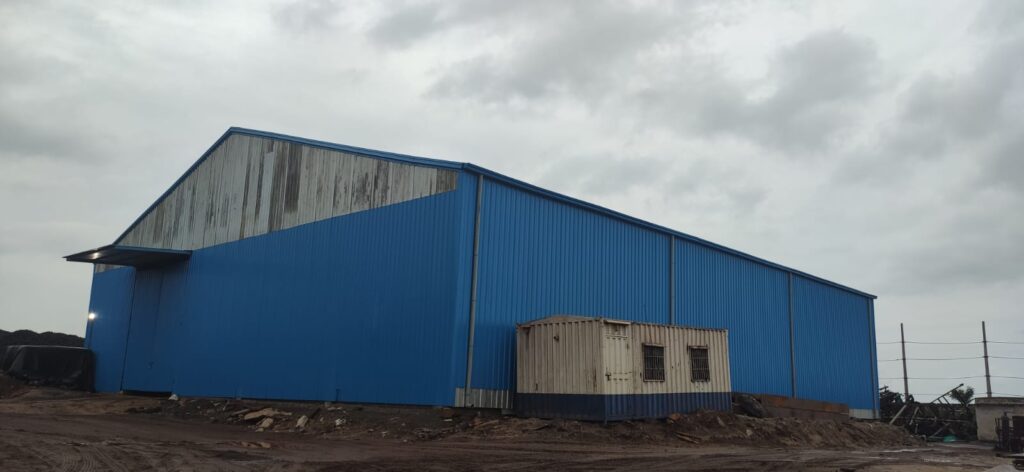
The following situations generally favour ownership:
- The shed is needed for a longer-term requirement, where continued rental payments may eventually exceed the cost of purchasing a comparable structure.
- The business expects repeated shed requirements across multiple projects, allowing the same structure to be dismantled, transported, and erected again.
- The project requires greater control over the shed's size, layout, access points, or permitted modifications, which can be easier to manage when the structure is owned.
- The shed has a useful service life beyond the current project, allowing its purchase cost to be spread across multiple periods of use and reducing the effective cost per project.
For a requirement fixed on owned land for decades, also compare a permanent shed before deciding.
How Should You Decide Between Renting And Buying A Temporary Shed?
Decide in 4 steps: estimate the months of use, calculate the break-even point, check the shed's usable life against that period, and plan its use after the project. Each step uses figures from your quote and project schedule.
Follow these 4 steps:
- Step 1 – Project duration: Take the months of use from your project schedule, with a buffer for schedule changes.
- Step 2 – Break-even period: Divide the full installed purchase cost by the monthly rent for the same shed, then compare the result with the months from Step 1.
- Step 3 – Lifespan and maintenance: Confirm the shed will stay serviceable for that period, and budget the maintenance you will carry as the owner.
- Step 4 – Use after the project: List the next sites or projects that can use the shed. A confirmed next use favours buying; a single-site requirement favours hiring.
Why Choose Shivji Valji Sheds For Temporary Shed Rental Or Purchase?
Shivji Valji Sheds Pvt. Ltd. has supplied, erected and dismantled sheds since 1910. As a contractor, supplier & erector, we offer temporary sheds on hire and for purchase, so you can choose the model that fits your project duration.
What Shivji Valji can help with:
- Rental for defined project requirements: Temporary shed rental can suit construction, storage, industrial, commercial, seasonal, and other applications where the structure is required for a specific period.
- Purchase for continued or repeated use: Purchasing can be considered when the shed is expected to remain in use for longer or may be dismantled and reused for future projects.
- Multiple shed types: Tarpaulin, monsoon, hybrid, dome, German hanger, MS steel, GI sheet, and pre-engineered building sheds are available for different applications and site requirements.
- Since 1910: More than a century of shed supply and erection experience across construction, industrial, storage and seasonal projects.
- Pan-India service: Shed projects undertaken across India and coordinated from Mumbai, subject to site requirements.
| Share your site size, duration and use. Request your temporary shed quote |
FAQs
1. How long does it take to erect a temporary shed?
A temporary shed usually goes up in days to a few weeks, depending on covered area, frame type and site readiness. Hired and purchased sheds follow the same erection process, so the timeline depends on the structure and the site.
2. Is a security deposit needed to hire a temporary shed?
Hire agreements commonly start with a security deposit and the first period's charge. The deposit amount and refund terms vary by provider and contract, so confirm both in the written quotation.
3. Can a temporary shed hire period be extended?
Hire periods are extended by agreement with the provider. Confirm the extension rate, notice period and revised terms in writing before the original period ends.
4. Which temporary shed types are available on hire?
Tarpaulin, PVC sheds, hybrid and German hanger sheds are commonly available on hire, along with temporary warehouse sheds for storage. Permanent sheds such as PEB, MS steel and GI sheds suit purchase for long-term use.
5. What should I check before renting a temporary shed?
Check the shed's size, material and condition, and what the hire charge includes. Confirm who handles transportation, erection, dismantling, maintenance and repairs, along with the charges for shifting or early removal, before signing the agreement.