
Temporary shed construction approval in India depends on your local authority, the shed's size and use, and how long it stays on site. This guide explains whether you need permission, which authority approves it, and the 6-step approval process. It also lists the documents you need, BMC's monsoon shed rules for Mumbai, validity periods, exemptions, and what applies to terrace, car-parking and business sheds. Once your permissions are clear, explore temporary shed options that suit your site.
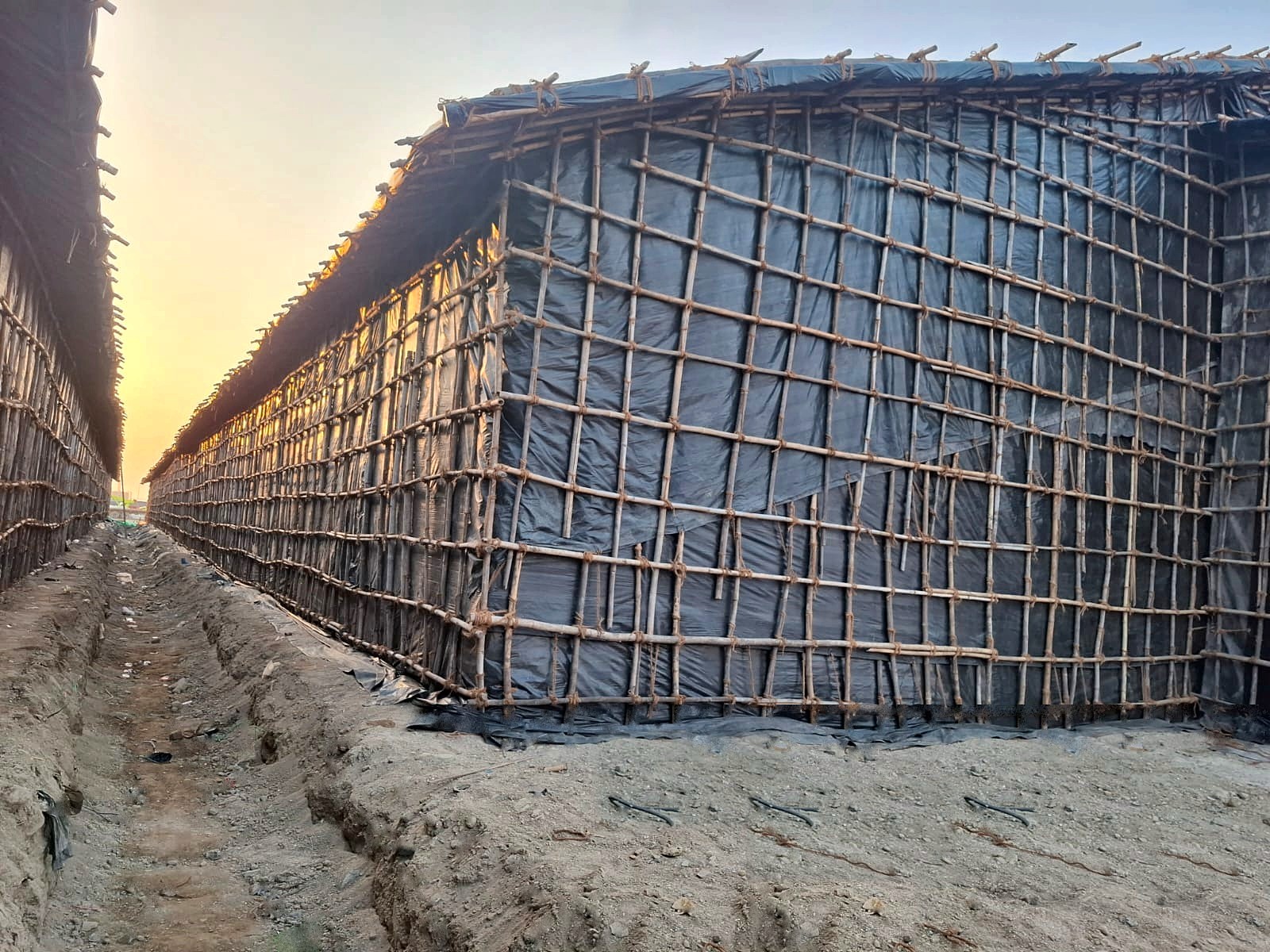
Key Takeaways
- Temporary sheds may need permission, depending on the local authority, location, use, size, and duration.
- “Temporary” depends on the structure, duration, and intended use, not just whether it can be removed.
- The approval process can involve the correct authority, drawings, documents, NOCs, fees, and approval before construction.
- BMC has specific requirements for temporary monsoon sheds, including location, dimensions, construction, validity, and removal.
- Exemptions and penalties vary by jurisdiction, so local rules should be checked before construction and after approval.
Does A Temporary Shed Need Permission In India?
Yes, a temporary shed may require permission in India, but there is no single rule that applies to every shed nationwide. The requirement depends on the local authority, land use, shed size, construction, purpose, location, and period of use. Municipal corporations, municipalities, panchayats, and planning authorities may follow different rules. Owning the land alone does not automatically remove the need for approval.
What Makes A Shed A Temporary Structure Under Municipal Rules?
“Temporary” is not determined simply by whether a shed can be dismantled. Municipal rules can assess the physical character of the structure and its intended function. A removable shed used for a defined purpose is different from a structure that has effectively become a permanent extension of a property.
1. Construction Method And Temporary Classification
The way a shed is constructed can indicate its intended character. Removable frames, lightweight roofing, prefabricated components, and construction without permanent foundations are commonly associated with temporary structures. Fixed foundations, permanent masonry, or construction designed for long-term occupation can point toward a different classification under local regulations.
2. Duration Of Use And Permission Validity
A temporary structure is generally designed for use over a defined period rather than indefinite occupation. The relevant period can depend on the local regulation and the type of structure. A shed intended only for a particular season, event, or construction phase has a different temporary purpose from one intended to remain on the property for years.
3. Purpose And Intended Use Of The Shed
The intended function provides another important distinction. A shed for storing materials during construction is different from one used as a permanent shop, workplace, accommodation, or additional occupied space. Municipal regulations may treat these uses differently because the activity taking place inside the structure can create different planning, safety, and land-use considerations.
A shed used for seasonal protection can differ considerably from one intended for longer-term storage or industrial use. You can compare the characteristics of temporary warehouse sheds and other temporary structures before deciding what fits the site.
Which Municipal Authority Approves A Temporary Shed?
The authority responsible for a temporary shed depends on the property's location and the planning rules applicable to that land. Depending on the area, the relevant body may be a municipal corporation, municipal council, village panchayat, or a separate planning authority. The first step is therefore to identify which local body or planning authority has jurisdiction over the property.
The applicable authority can generally be identified through these categories:
- Municipal Corporation: Properties within major urban municipal limits may fall under the corporation's building or planning department. For example, BMC's Building & Factories Department specifically handles permissions for temporary monsoon sheds within its applicable category.
- Municipal Council: Smaller urban areas governed by a municipal council may process temporary-structure or building permissions through that local body, subject to the state's planning framework.
- Village Panchayat: In areas governed by panchayats, the panchayat may handle construction permissions under the applicable state rules. The Ministry of Panchayati Raj also publishes guidance concerning the issuance of construction building permissions by panchayats.
- Planning or Development Authority: Some areas are additionally governed by a statutory planning or development authority. In such locations, development permission may fall under that authority's planning legislation rather than being handled solely by the local municipal body.
- Location-Specific Approvals: A temporary structure in a specially regulated area may also need additional clearances. For example, Goa's official process for temporary huts or shacks on private property requires additional NOCs in certain coastal areas.
Step by Step Temporary Shed Approval Process
The process varies across India because temporary structures are governed by the rules of the authority having jurisdiction over the property. In areas where prior permission is required, the usual process involves identifying the authority, confirming the applicable requirement, preparing the proposal, submitting the prescribed documents, and obtaining approval before construction.
1. Identifying The Applicable Local Authority
Start by confirming which body controls development on the property. This may be a municipal corporation, municipal council, village panchayat, or planning authority, depending on the location and applicable planning framework.
2. Checking Permission Requirements
Confirm whether the proposed shed requires prior permission, an intimation, or falls within a specific exemption. The applicable rules may consider its use, dimensions, location, construction, and intended period of use.
3. Preparing Site And Shed Drawings
Prepare the plans and technical details required by the relevant authority. Depending on the application, these may include the site plan, proposed shed location, dimensions, layout, elevations, sections, and structural details.
4. Obtaining NOCs And Supporting Documents
Collect the documents applicable to the property and proposed use. These may include ownership or consent documents, undertakings, indemnity documents, structural certificates, and NOCs from relevant departments. The exact requirements vary by authority and structure.
5. Submitting The Application And Paying Fees
Submit the application through the prescribed online or offline process and pay the applicable fees or charges. The authority may review the proposal, request additional information, or conduct a site inspection before deciding the application.
6. Receiving Approval Before Construction
Where prior permission is required, construction should begin only after that permission is granted. The shed must then follow the approved plans and any conditions attached to the permission, including restrictions on its location, dimensions, materials, use, or duration.
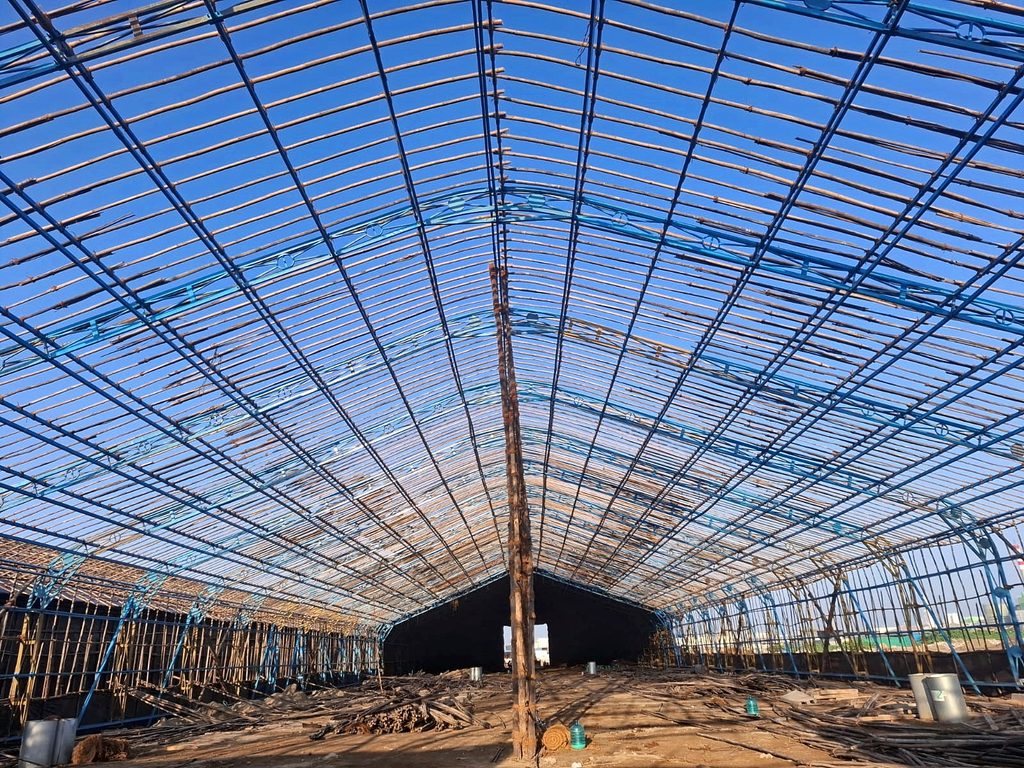
What Documents Are Required For Temporary Shed Permission?
There is no single document checklist for every temporary shed in India. The requirements depend on the authority, property, proposed use, and type of structure. BMC, for example, has specific requirements for temporary monsoon sheds, while other local authorities prescribe their own forms and supporting documents. Always check the checklist issued by the authority governing the property.
1. Ownership And Land Documents
Authorities may ask for documents establishing ownership, lawful possession, or the applicant’s right to use the site. Depending on the property, these can include ownership records, lease or occupancy documents, or consent from the owner where the applicant is not the owner.
2. Site Plans And Shed Drawings
The application may require a site plan showing the proposed shed location, along with its dimensions and layout. Depending on the structure and local rules, the authority may also request elevations, sections, construction details, or structural information.
3. NOCs, Undertakings And Indemnity Documents
Some applications require consent or NOCs from the property owner, housing society, or another relevant party. An authority may also require an undertaking or indemnity document confirming compliance with specified conditions and responsibility for obligations associated with the temporary structure.
4. Additional Approvals Based On Location And Use
Additional approvals may apply when the site's location or the shed's proposed activity falls under another regulatory requirement. Depending on the circumstances, this can include fire-related clearances, environmental or coastal permissions, trade-related approvals, or planning authority requirements. These are conditional requirements, not documents that every temporary shed automatically needs.
| To Get the Perfect Shed with Approval Contact Us OR Call at 9930924189 |
What Are The BMC Rules For A Temporary Shed In Mumbai?
BMC has a specific permission category for temporary monsoon sheds under its Building & Factories Department. The applicable requirements depend on the type of shed and premises, so a temporary monsoon-shed permission should not be treated as a general exemption for every temporary structure in Mumbai.
1. BMC Temporary Monsoon Shed Permission
BMC's published procedures specifically cover temporary monsoon sheds for applicable premises. The permission is intended for temporary use during the permitted period and does not establish a general rule that all temporary structures in Mumbai are exempt from municipal approval.
2. BMC Application Requirements
BMC's checklist requires a sketch showing the proposed shed, its location, and dimensions. Depending on the premises and circumstances, the application can also require an owner or society NOC, an indemnity bond, and other applicable licences or permits. Applicants should use the checklist applicable to their specific premises.
3. BMC Size, Material And Location Conditions
Under BMC's published undertaking, the shed must remain at the approved location and within the approved measurements. The undertaking also specifies temporary, removable construction using materials such as tarpaulin or G.I. sheets for the covering and does not permit pucca construction under this monsoon-shed permission.
4. Permission Period And Removal Requirements
The permission is valid only for the period specified by BMC for the relevant permission. The shed must be removed when that permitted period expires, and BMC's undertaking places responsibility for removal on the applicant. The applicable dates should be confirmed with BMC for the year in which the shed is proposed, rather than relying on dates from an earlier permission cycle.
How Long Can A Temporary Shed Remain In Place?
There is no single maximum period for every temporary shed in India. The permitted duration depends on the local authority, type of structure, intended use, and permission issued for the site. The applicable rules or permit determine how long the structure can legally remain in place.
1. Permission Periods Under Local Rules
A temporary shed can remain only for the period allowed under the applicable rules or permit. The permitted period can vary according to the applicable category and local requirements. Kerala's 2025 building rules, for example, allow certain purely temporary sheds only for a specified period, with the permit stating when they must no longer be retained.
2. Extension And Renewal Requirements
An extension is not automatically available simply because the shed is still needed. The applicable regulation may prohibit renewal or require a fresh permission after the original period ends. Kerala's 2025 rules, for example, state that permits for certain temporary sheds cannot be extended or renewed beyond the period stipulated in the permit.
3. Removal After Permission Expiry
Once the permitted period ends, the shed may have to be dismantled or removed. Failure to do so can allow the competent authority to take action under the applicable rules, including arranging removal and recovering the associated cost in some jurisdictions. The exact consequence depends on the local law and the conditions attached to the permission.
What Conditions Must You Follow After Getting Temporary Shed Approval?
Getting permission does not mean the shed can be changed or used without restrictions. The structure must continue to follow the conditions attached to the approval and the applicable local rules.
- Approved Location and Dimensions: Keep the shed within the location, area, and measurements approved by the authority. Moving the structure or increasing its size may require fresh approval or permission under the applicable rules. BMC's monsoon-shed undertaking, for example, requires construction at the approved location and within the approved measurements.
- Permitted Materials And Construction: Use only the materials and construction method allowed under the permission. Some temporary-structure permissions specify lightweight or removable materials and may prohibit permanent construction.
- Temporary Use And Structural Restrictions: Use the shed only for the purpose and period covered by the approval. A temporary permission should not be treated as permission to convert the structure into a permanent addition or use it beyond the conditions attached to the permit.
- Removal And Compliance Obligations: Follow any dismantling, removal, inspection, or other conditions stated in the approval. Where the permit requires removal after a specified period, the applicant remains responsible for complying with that requirement.
What Happens If You Build A Temporary Shed Without Permission?
Where prior permission is required, constructing a shed without that permission can make the structure unauthorised. The local authority may then take action under the applicable municipal or planning laws. The specific notice, removal process, and penalties depend on the jurisdiction and nature of the violation.
- Municipal Notices and Enforcement: The competent authority may issue a notice requiring the unauthorised work to stop or the violation to be addressed under the applicable law. For example, Maharashtra's regional planning law provides powers to stop certain unauthorised development and require action against violations.
- Removal or Demolition: An authority may direct the owner to remove an unauthorised temporary structure. In some jurisdictions, the authority can also arrange removal and recover the related expenses when the law permits it. Maharashtra's law specifically provides for summary removal of certain unauthorised temporary development.
- Penalties And Other Consequences: Depending on the applicable law, unauthorised construction may result in fines, prosecution, removal costs, or other enforcement measures. These consequences are not identical across India, so the relevant municipal or planning rules should be checked before construction begins.
Are There Any Exemptions For Temporary Sheds?
Yes, some local regulations exempt specific temporary structures, but the exemption depends on the exact rules. Being removable or called a “temporary shed” does not automatically make it exempt.
Exemptions Under Local Regulations
Some state rules specifically exclude limited-duration structures from building-permission requirements. Goa's regulations, for example, exclude temporary tents, cabins, shamianas, and tarpaulin shelters used for temporary purposes or ceremonial occasions for a limited time and removed afterward.
Conditions Attached To Exemptions
Such exemptions apply only when the structure meets the conditions set by the relevant regulation. The rules may specify the permitted duration, type of structure, intended use, or requirement to remove it afterward. A separate approval may still be required for the land use or activity.
Why Exemptions Cannot Be Assumed Across India
Temporary-structure rules differ across states and local authorities. Kerala's 2025 rules, for example, require permission for certain purely temporary sheds and specify a maximum period for that permission. This shows why an exemption available in one jurisdiction cannot be applied across India.
What Should You Check Before Constructing A Temporary Shed?
Before starting work, confirm the local rules that apply to the property and the exact shed you plan to construct. A temporary structure can still be subject to planning, location, use, and approval conditions.
1. Local Authority And Land-Use Requirements
Identify the authority responsible for the property and check the permitted land use. Confirm that the proposed shed and its intended activity are allowed on the site under the applicable planning rules.
2. Setbacks, Location And Site Restrictions
Check required setbacks, road margins, access areas, and other site restrictions before fixing the shed's location. Local regulations can restrict structures within setbacks or other protected parts of a plot.
3. Structure, Size And Intended Use
Confirm the permitted dimensions, construction method, materials, and intended use. A shed used for storage may face different requirements than one used for commercial activity, public access, or accommodation.
4. Permission, NOCs And Documentation
Check if the shed requires prior permission, an intimation, or an exemption. Keep the required ownership documents, drawings, NOCs, undertakings, and other supporting approvals ready before construction.
5. Validity Period And Removal Requirements
Confirm the exact period for which the shed can remain in place and record any expiry date stated in the permission. Also check the removal requirements, since some temporary-structure permissions require dismantling after the approved period.
Once the site, use, duration, and applicable permissions are established, the next step is selecting the appropriate structure. Explore temporary shed options based on the intended application and site requirements.
Get The Right Temporary Shed For Your Site With Shivji Valji
Temporary shed requirements vary by site, application, covered area, construction requirements, and duration. Once the applicable permissions and site conditions have been confirmed, selecting the right structure becomes the next important step. Shivji Valji’s Sheds offers a range of shed structures and project services for different temporary and permanent requirements.
Why choose Shivji Valji:
- 100+ years of shed experience: More than a century of experience in supplying and erecting shed structures for different project requirements.
- Multiple shed options: Tarpaulin, monsoon, hybrid, dome, German hanger, MS steel, GI sheet, and pre-engineered building sheds.
- Supply or rental: Options for customers requiring a shed on a supply basis or for a defined temporary period.
- Erection and dismantling: Support for installing and dismantling applicable shed structures at the project site.
- Options for varied applications: Shed structures for construction, industrial, storage, commercial, seasonal, and other site requirements, subject to applicable permissions and conditions.
- Pan-India execution: Shed projects undertaken across India, including major cities, industrial areas, ports, construction sites, and other project locations.
| Discuss your shed requirement with Shivji ValjiEnquire at shivjivalji.com |
FAQs
1. Do I need permission to build a temporary shed on a terrace?
Yes. Terrace sheds may require approval from the local authority, especially if they alter the building structure, cover common areas, or affect safety. Check local building rules, sanctioned plans, and housing society permissions before construction.
2. Can I build a temporary car shed in a housing society?
Possibly, but not automatically. A car shed may need housing society approval and local authority permission, particularly when using common parking or altering shared areas. Check society bylaws, parking rights, and applicable municipal regulations first.
3. Can a temporary shed be used for a shop or business?
Not necessarily. Using a temporary shed for commercial activity can require land-use approval, trade permissions, and building approval. Restrictions may also apply to the property’s zoning and sanctioned use. Verify requirements with the local authority.
4. Can a temporary shed get an electricity connection?
A temporary shed may receive electricity if the electricity provider accepts the structure and required documents. However, approval depends on local rules, connection type, sanctioned use, and safety requirements. A shed does not automatically qualify.
5. Does a temporary shed count as a built-up area or affect FSI?
It can, depending on its construction, location, enclosure, and local development regulations. Calling a structure “temporary” does not automatically exclude it from built-up area or FSI calculations. Confirm the applicable rules with the local authority.